English
 العربية
 বাংলা
বাংলা Čeština
 Deutsch
 Dansk
Dansk Español
 Français
 Ελληνικά
 עברית
עברית हिन्दी
 Magyar
 Bahasa Indonesia
 Italiano
 日本語
日本語 한국어
한국어 Nederlands
 Bokmål
 Polski
 Português
 Русский
 Svenska
 Slovenský
 தமிழ்
தமிழ் ไทย
ไทย Filipino
 Türkçe
 Українська
 Tiếng Việt
 中文
中文
USDA Zone
-29 – -1
°C
-20.2 – 30.2
°F
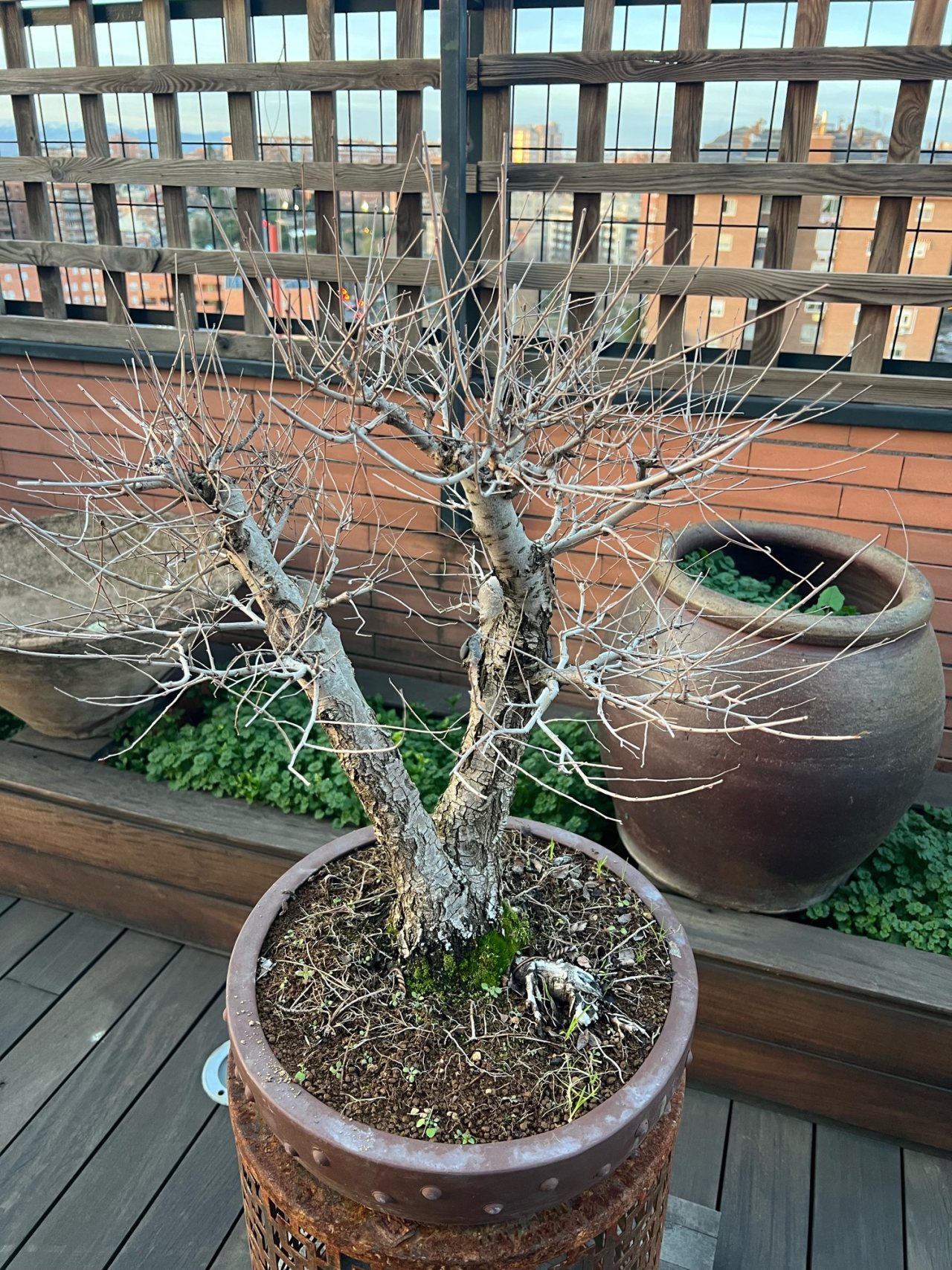
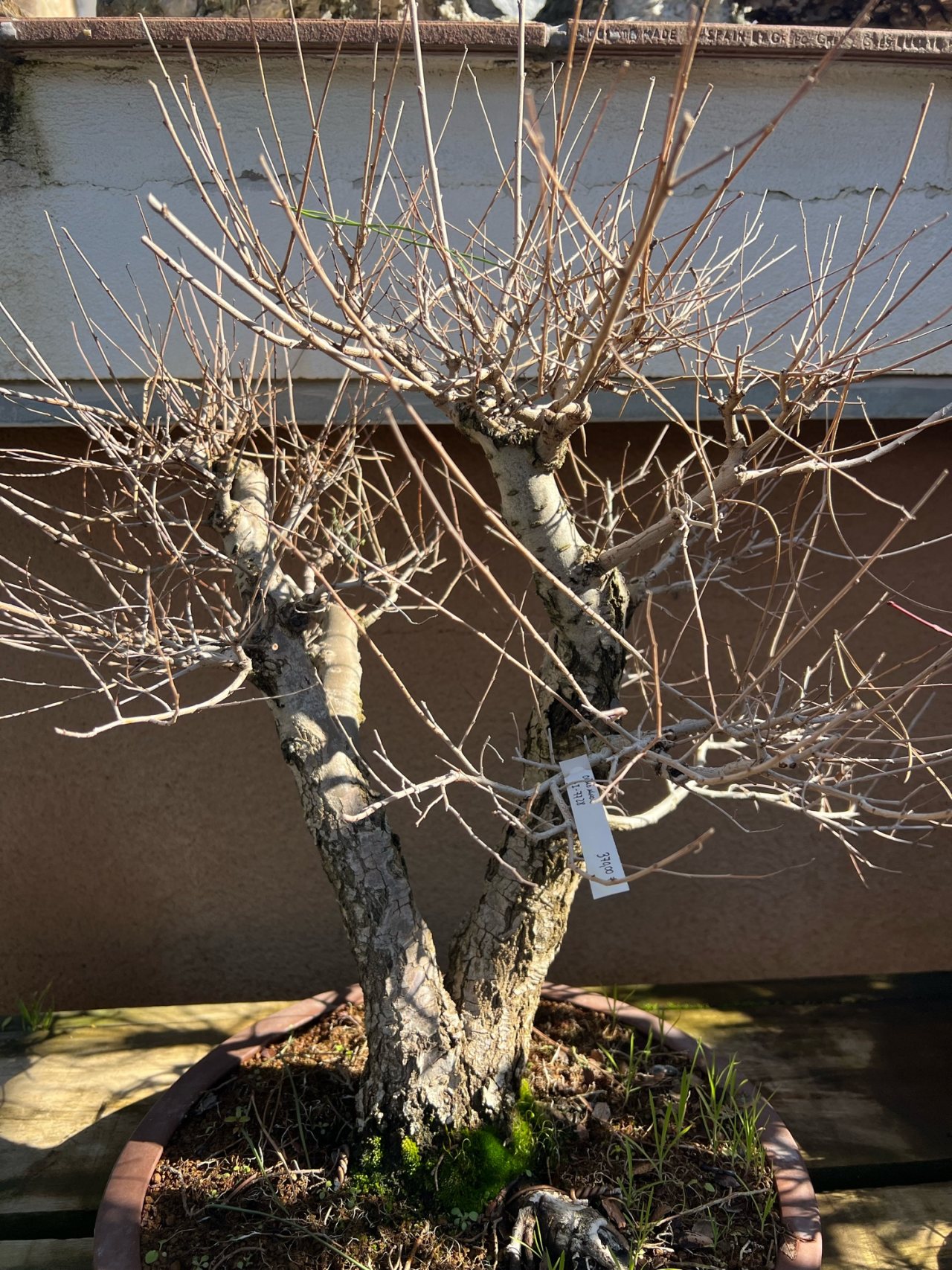
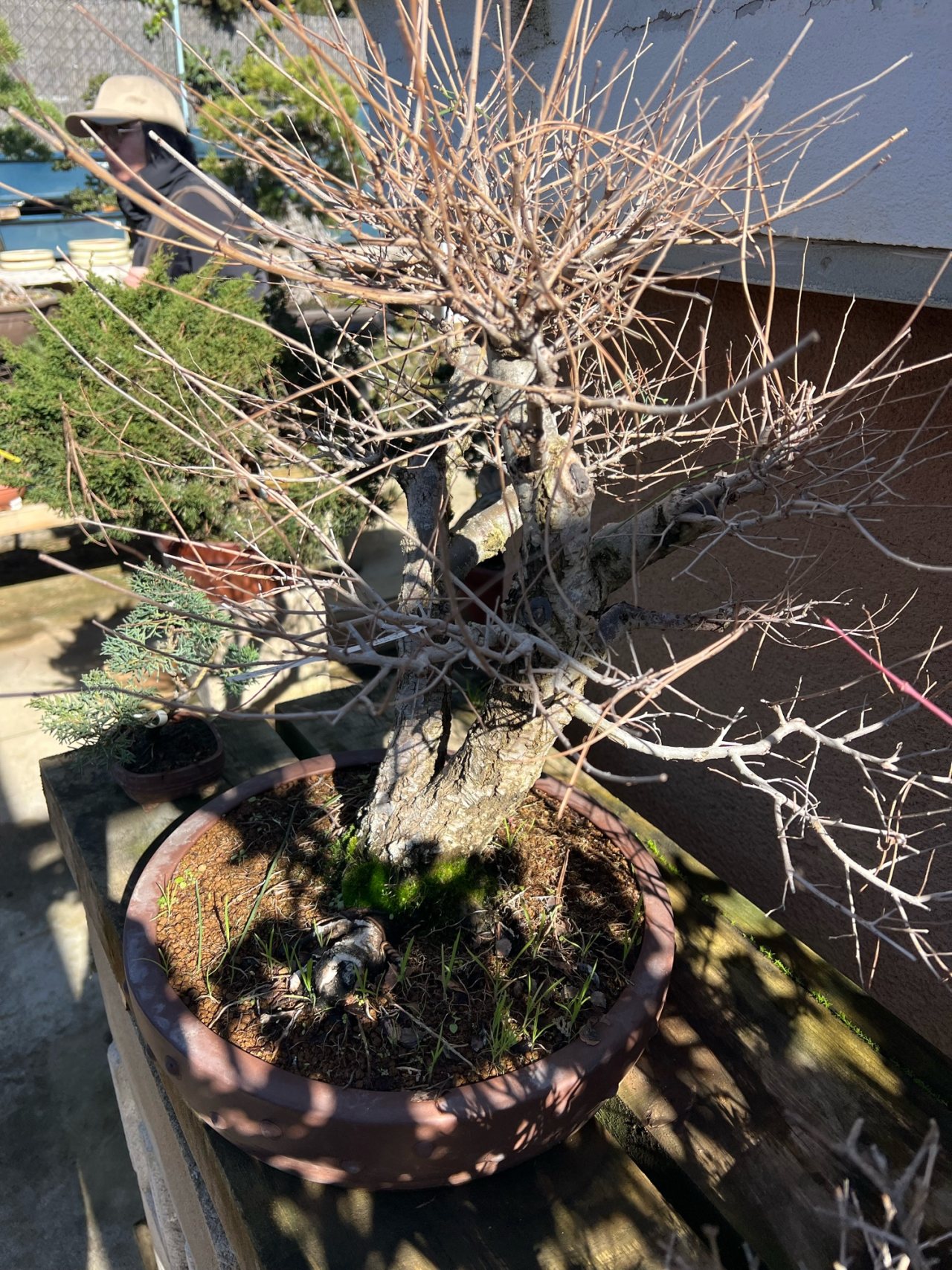
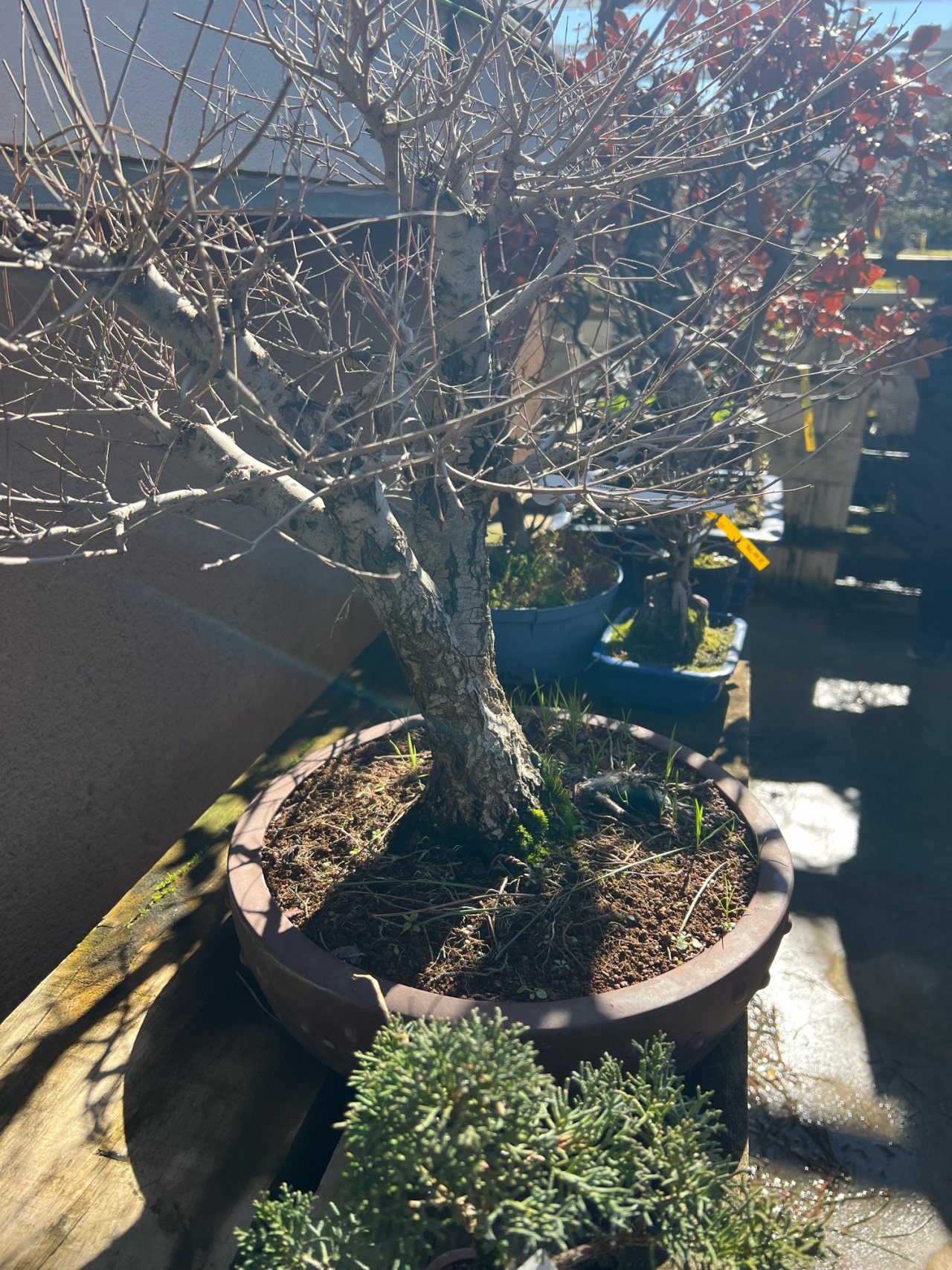
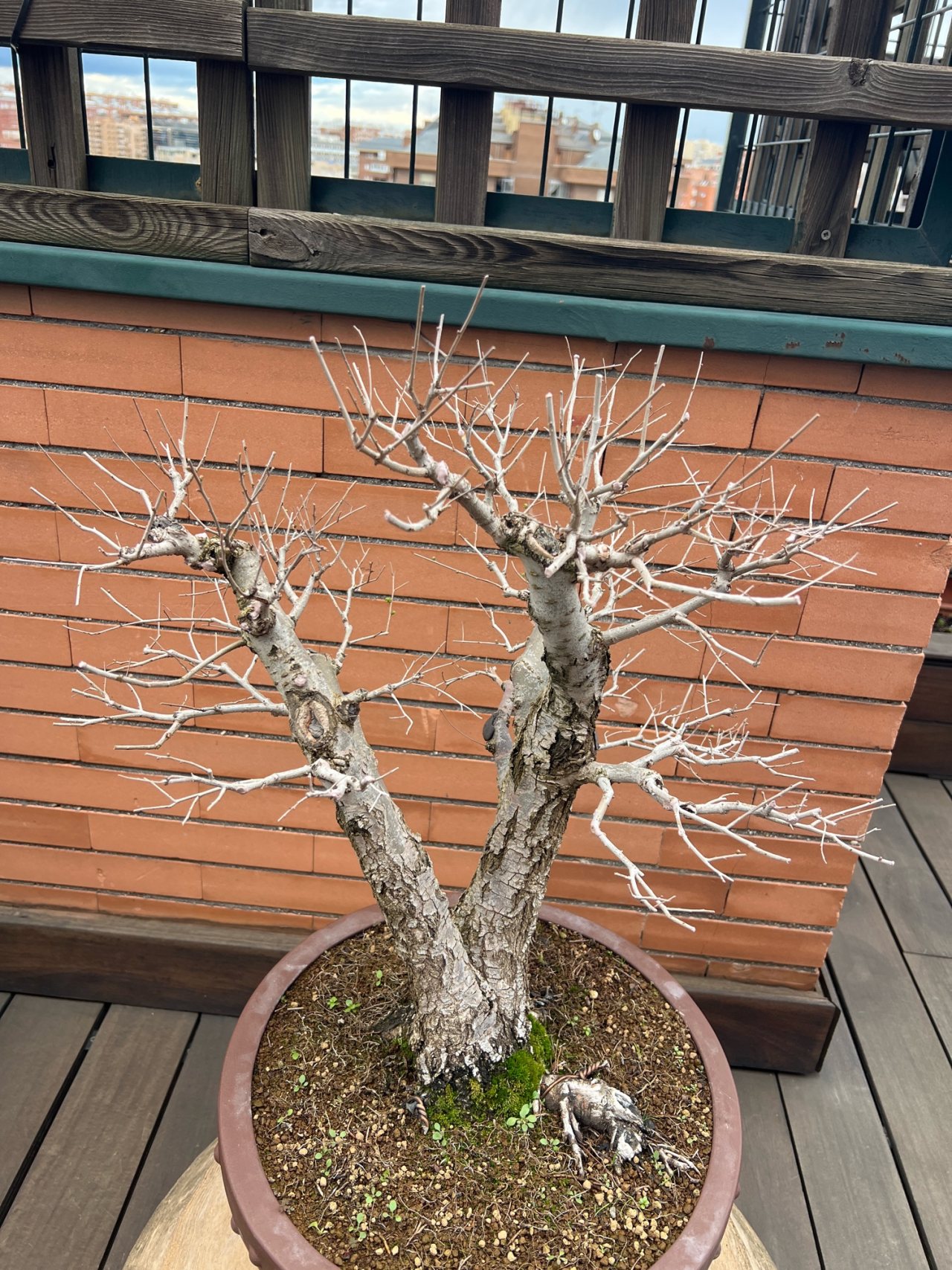
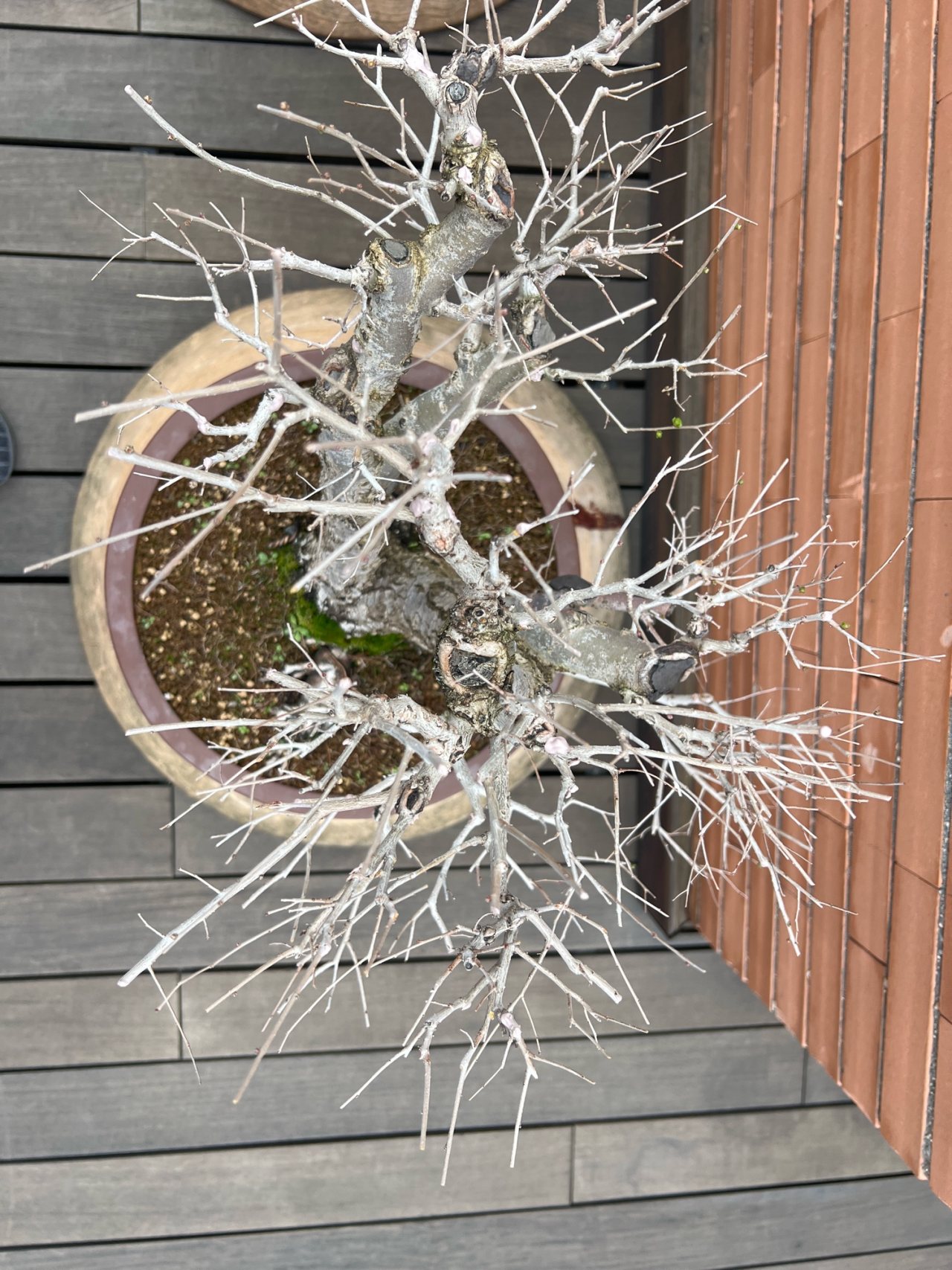
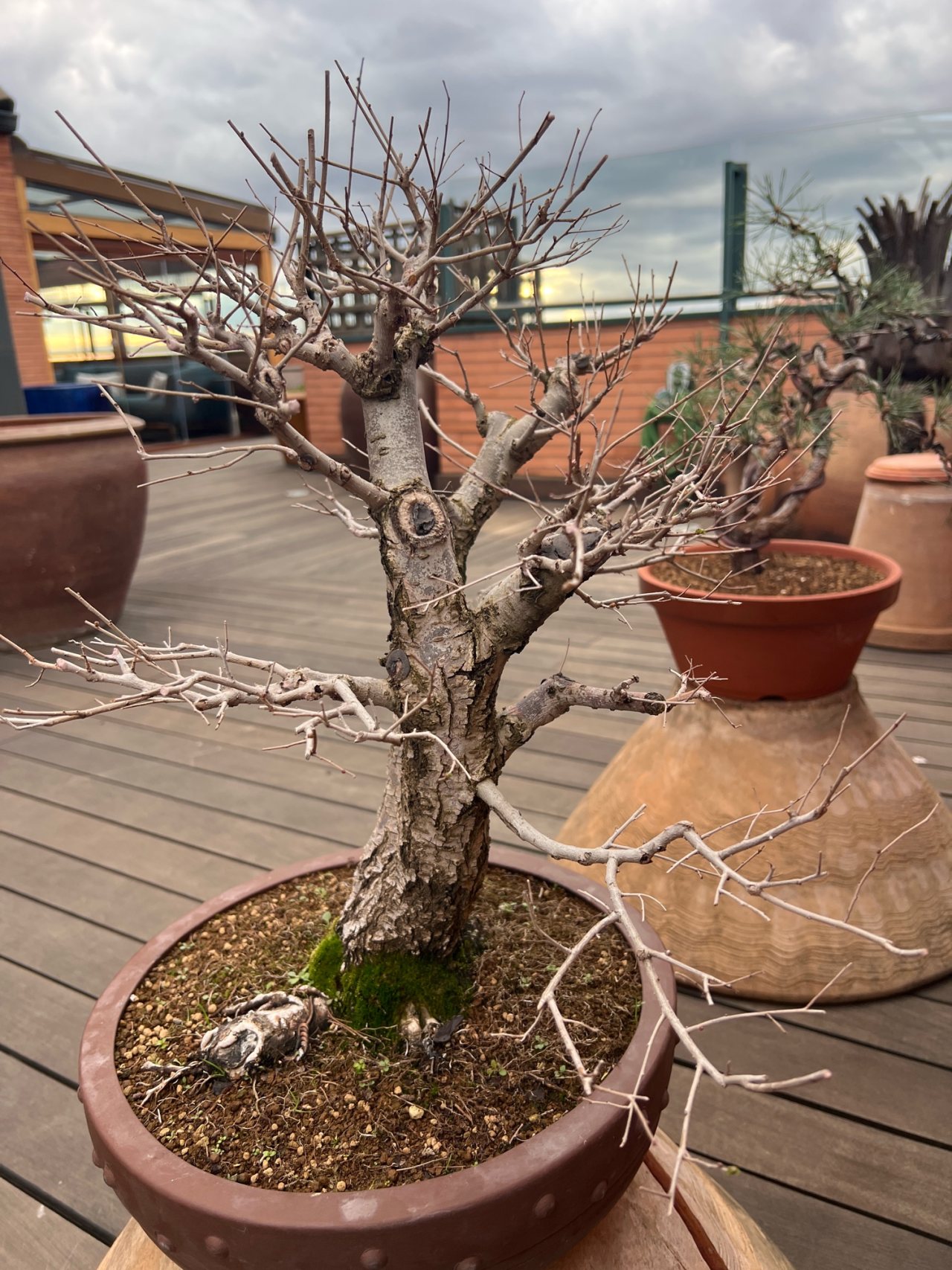
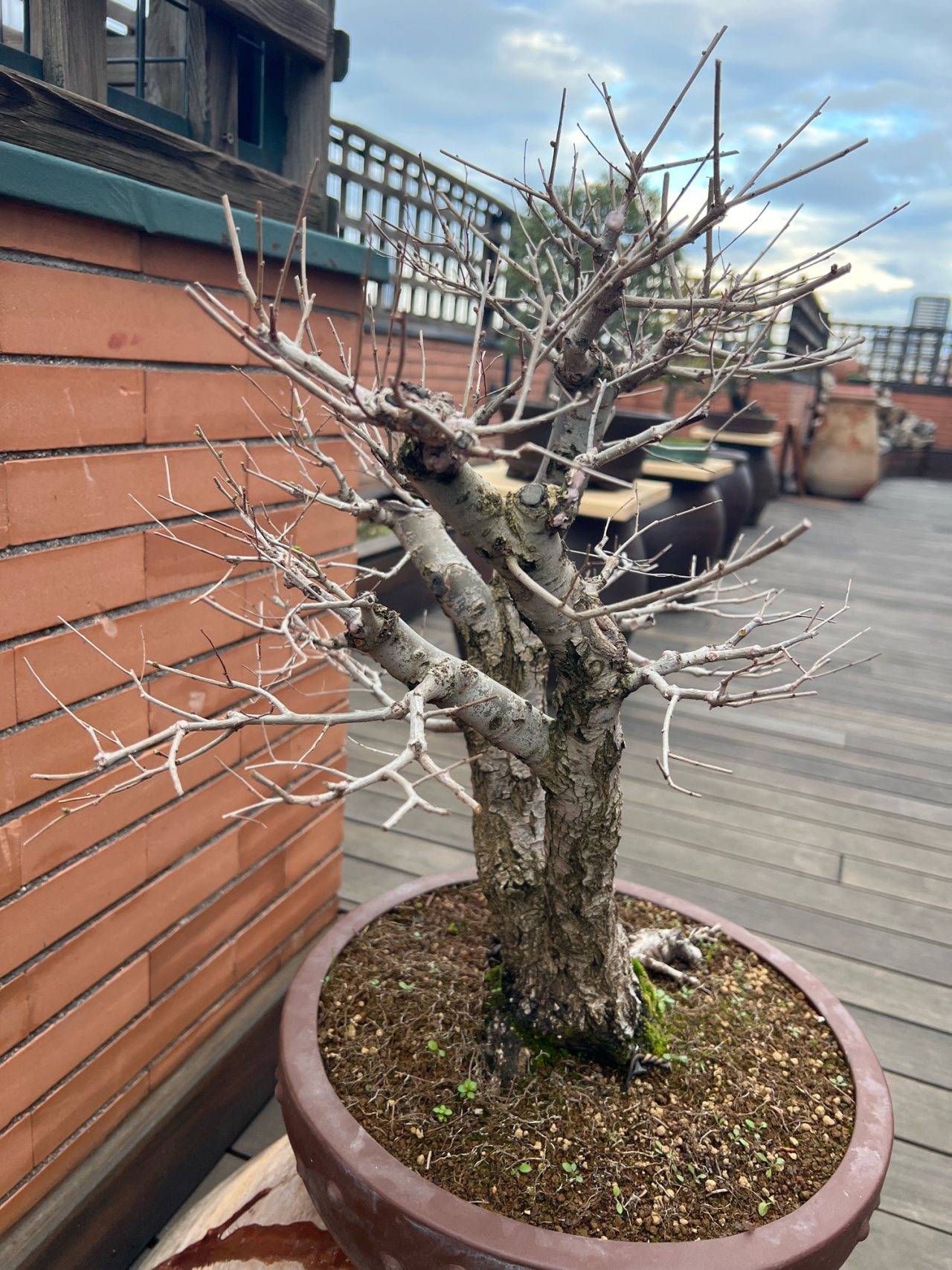
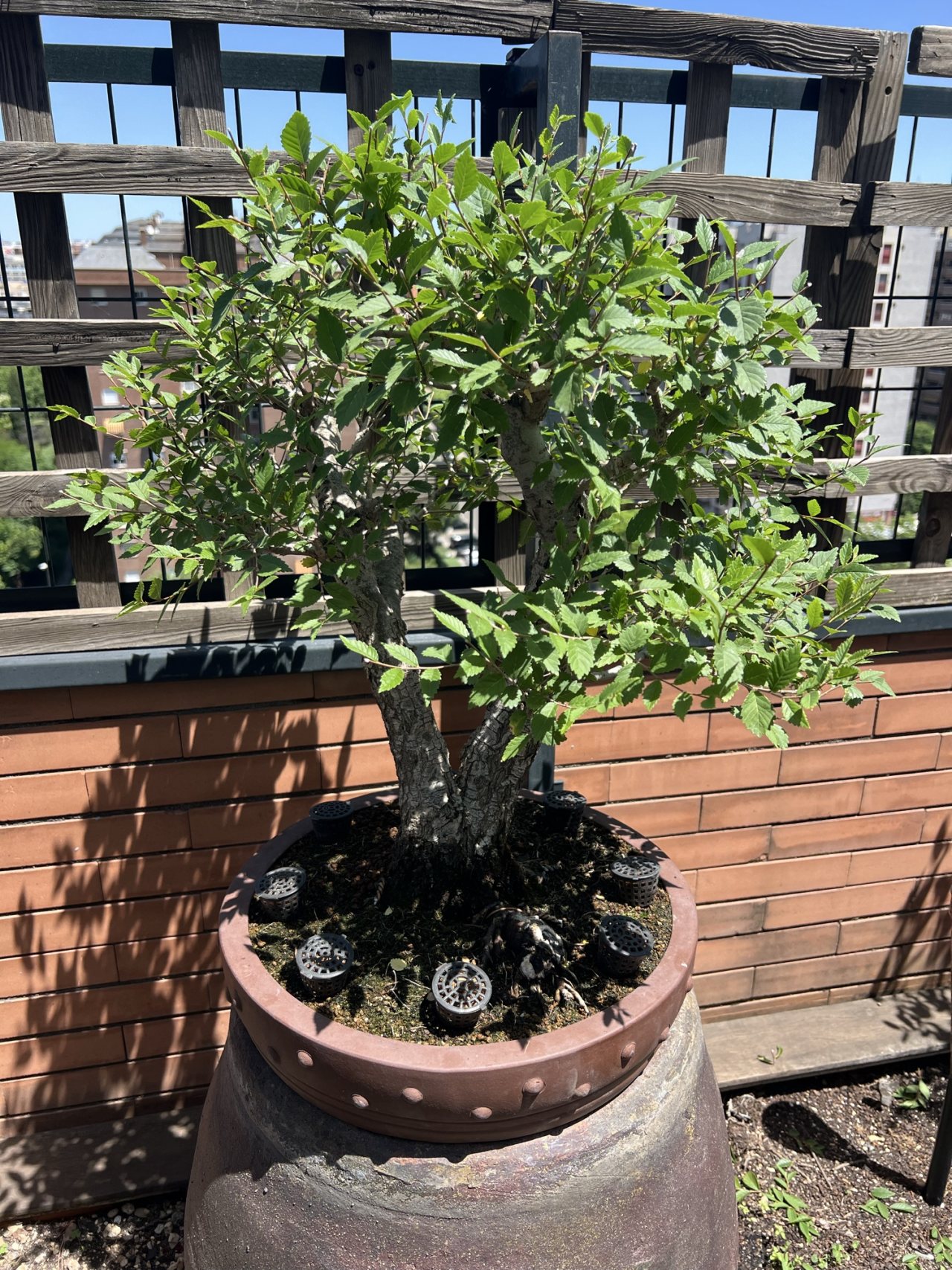
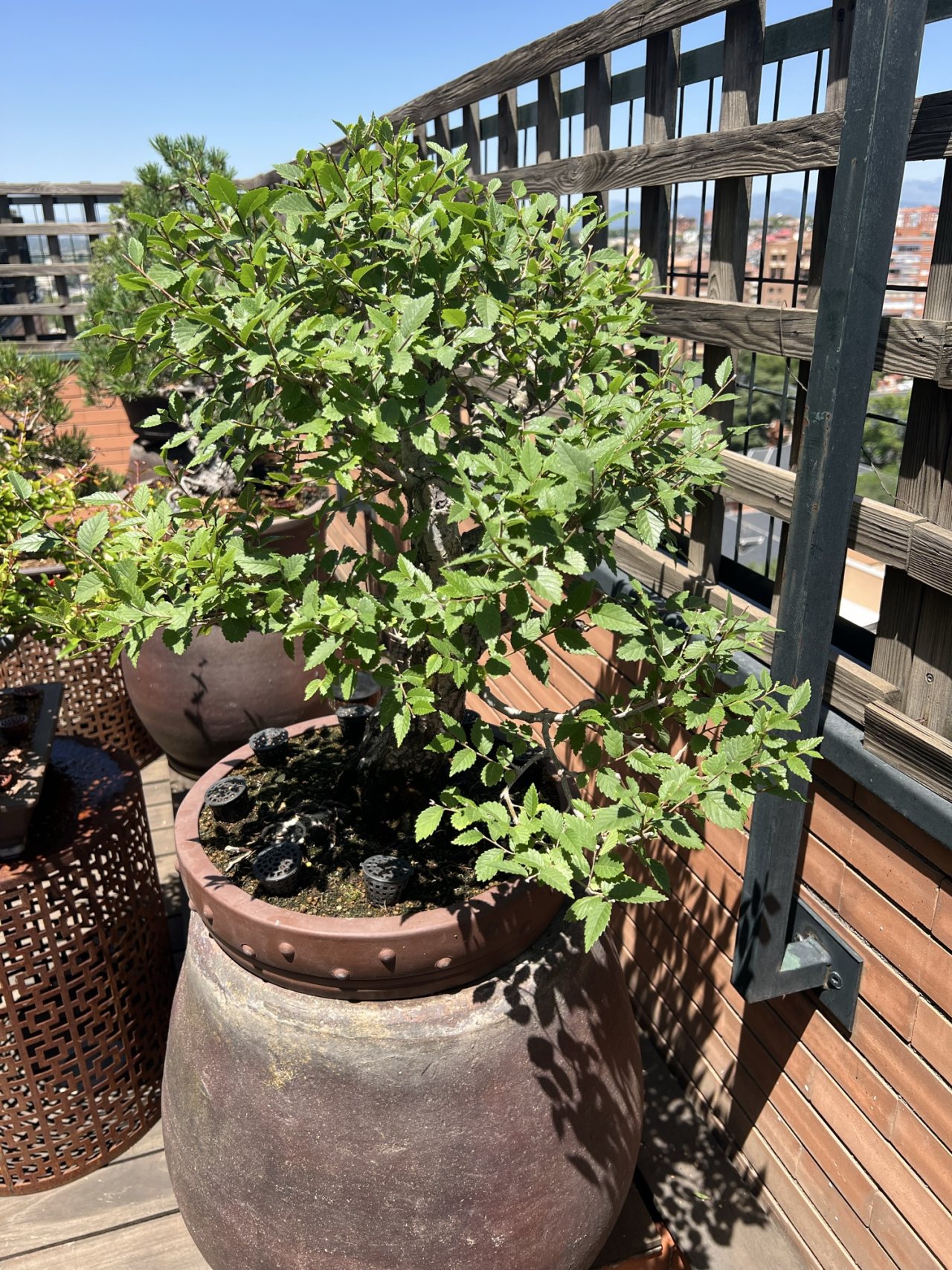
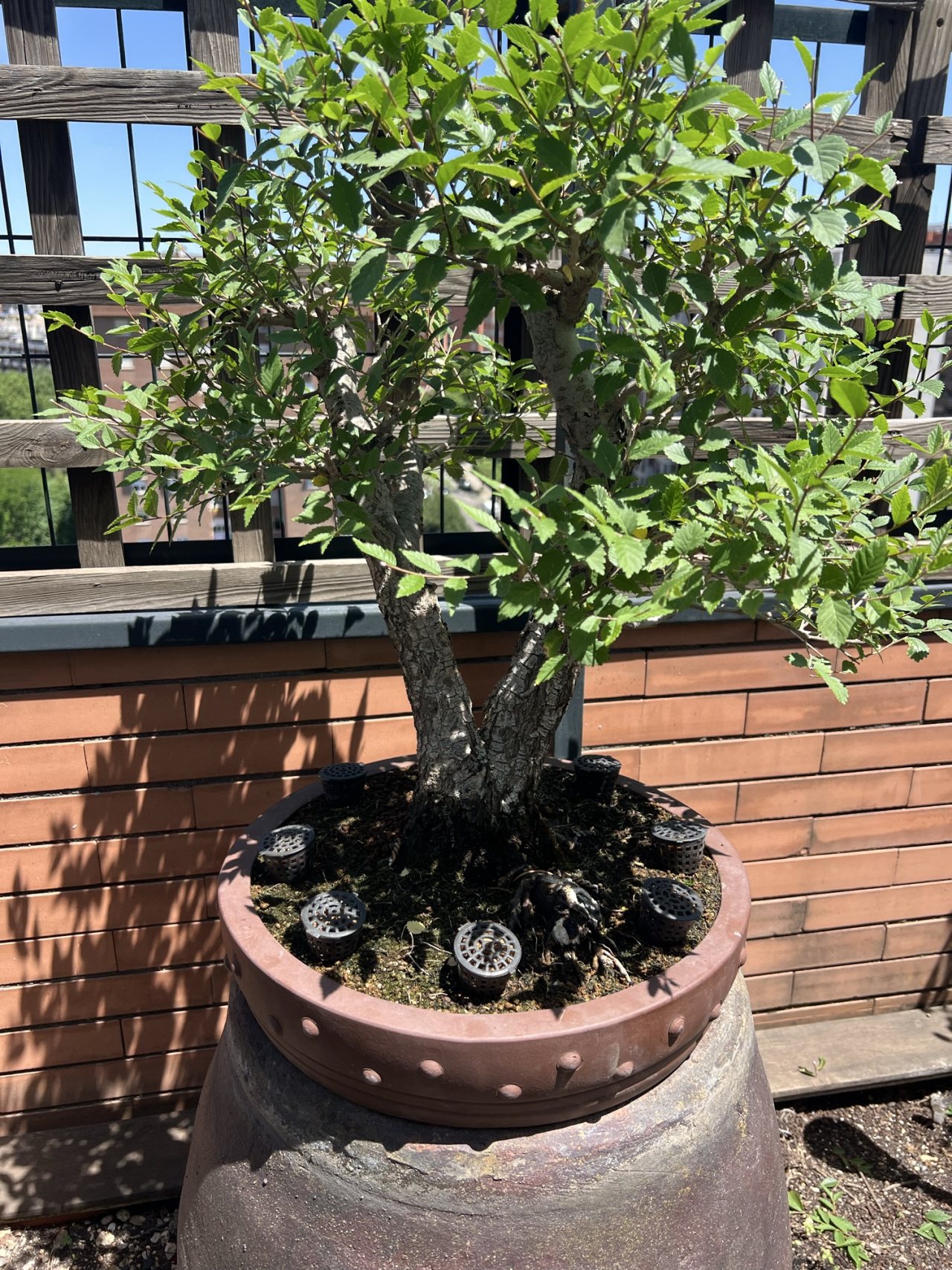
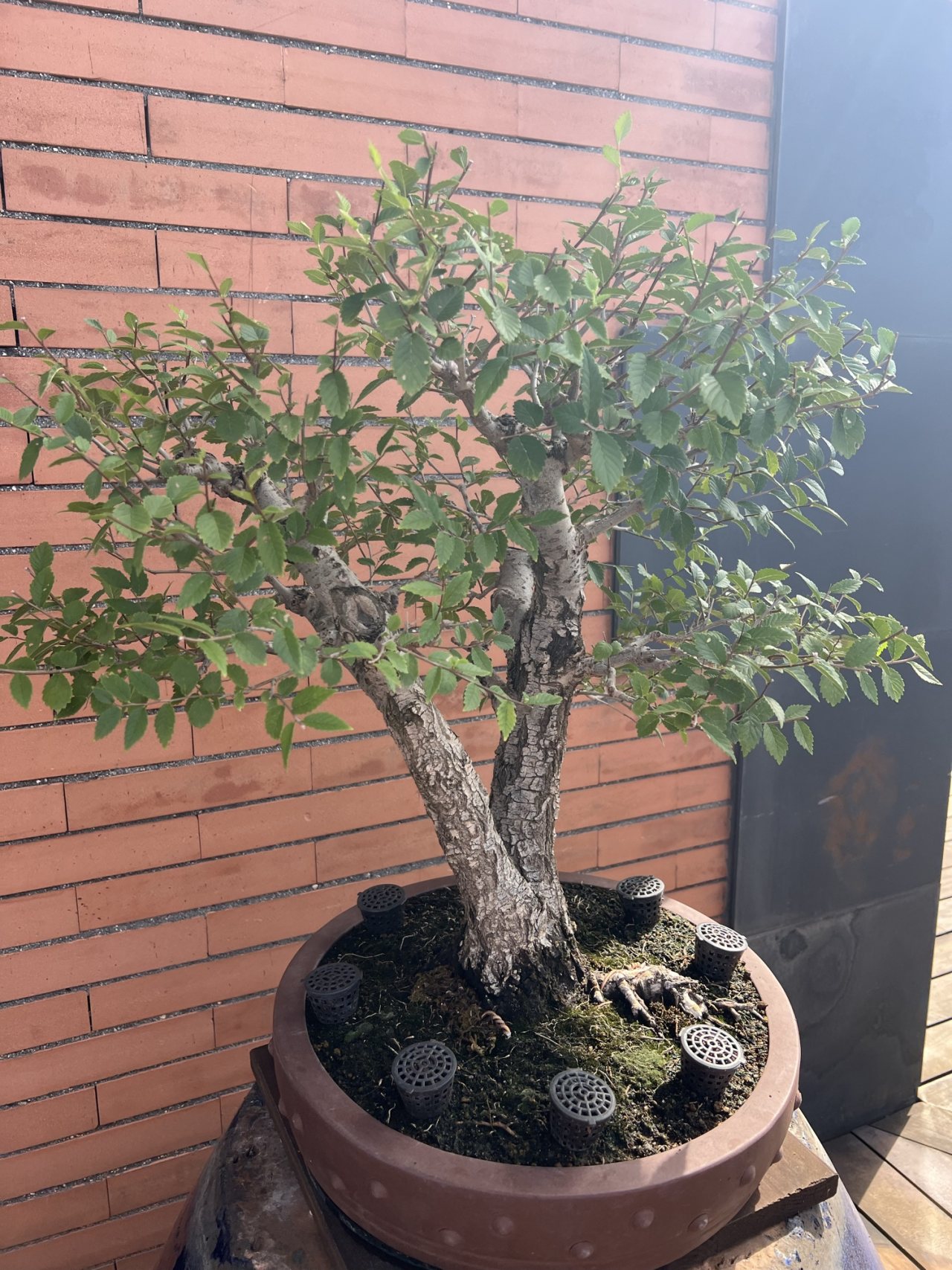
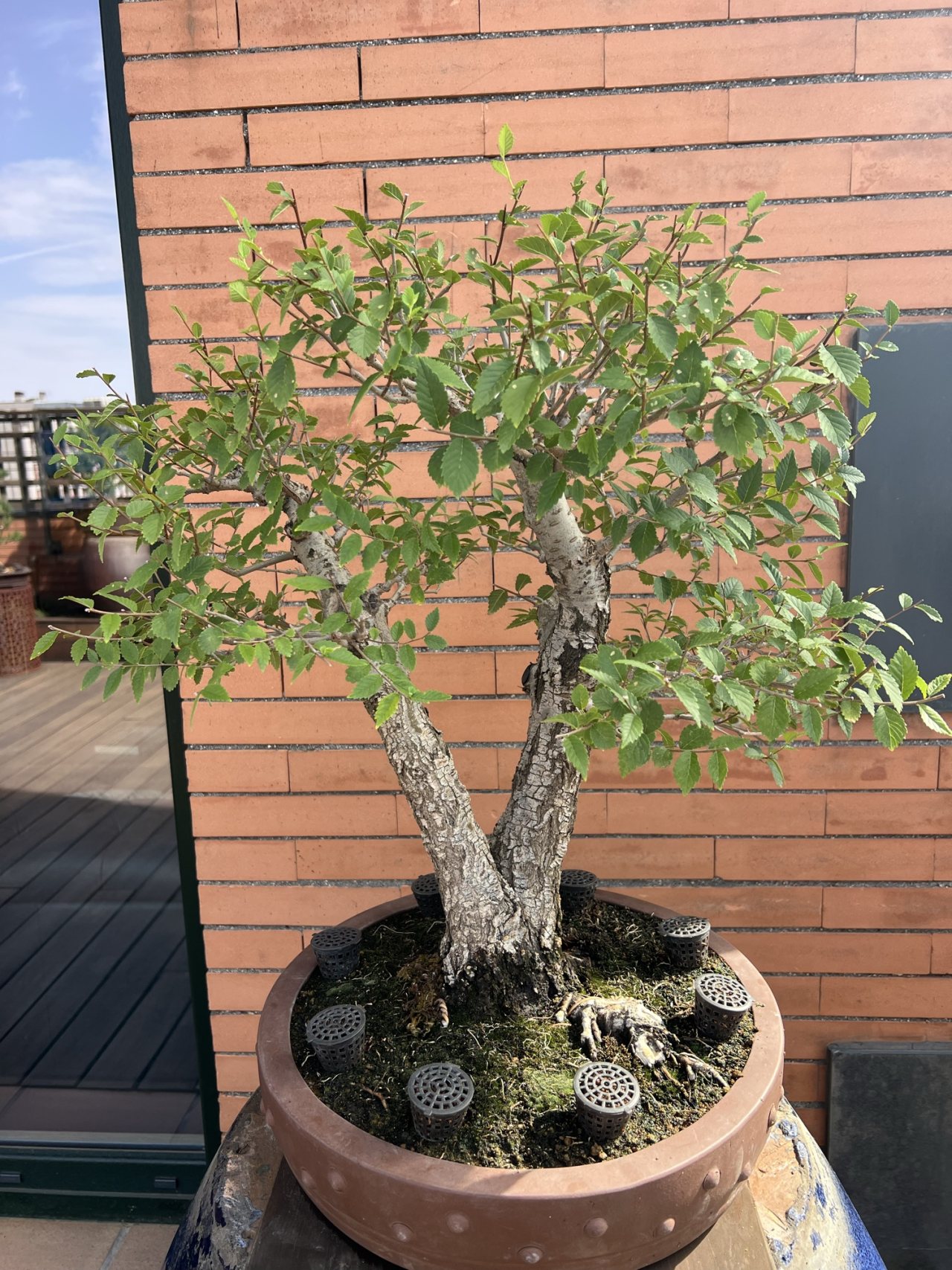
Field Elm (Ulmus minor) 'Vulgaris'. Age : 29 years and 8 months. Acquisition Date : 2/23/26. Acquisition method : Yamadori
Age : 29 years and 8 months
users932916
Spain
Madrid
BSk
Semi-arid climate where precipitation is low, but slightly more abundant than in deserts. Winters are cold and summers are hot.

Sokan
The Sokan style
Twin-trunk style
The Sokan style in bonsai is characterized by the presence of two trunks originating from the same root, symbolizing duality and natural harmony. One trunk is generally more dominant and larger, while the other is smaller, creating an interesting visual contrast. Both trunks should rise in parallel or slightly divergent, while maintaining an aesthetically pleasing line to the eye.
The branches of each trunk are arranged in a way to visually balance the two parts of the tree, with particular attention to prevent the branches of the smaller trunk from being obscured by those of the main trunk. The leaves or needles of Sokan bonsais are arranged to complement the effect of height and volume, accentuating the size difference between the two trunks.
The entire Sokan bonsai projects an image of coexistence and complementarity, reflecting principles of symmetry and balance in a natural context.
Acquisition Date : 2/23/26 (0 year)
Source of acquisition : Laos Garden
Acquisition method : Yamadori
Owner's note :
Ulmus minor, conocido comúnmente como negrillo u olmo común, es un árbol caducifolio nativo de Europa y zonas mediterráneas, apreciado por su porte elegante, rápido crecimiento y corteza oscura y fisurada. Puede alcanzar hasta 30-40 metros de altura, con hojas asimétricas y flores rojizas tempranas. Es sensible a la grafiosis, pero se utiliza en jardinería y restauración paisajística por su alta resistencia al frío.
Características Principales:
Nombre científico: Ulmus minor Mill..
Nombres vulgares: Negrillo, olmo común, álamo negro.
Porte: Robusto, de gran altura (hasta 30-40 m) y copa redondeada.
Hojas: Caducas, alternas, simples, de borde doblemente dentado y base asimétrica.
Corteza: Pardo-grisácea o pardo oscura, muy áspera y resquebrajada en ejemplares maduros.
Fruto: Sámara (fruto alado) redondeada u ovalada, con la semilla en el centro o hacia la escotadura.
Ecología y Usos:
Hábitat: Prefiere suelos profundos, fértiles y húmedos, siendo común en sotos y riberas de ríos.
Resistencia: Muy resistente al frío (hasta -20ºC) y fácil de formar, lo que lo hace popular en bonsáis.
Amenazas: Ha sufrido devastación por la grafiosis, una enfermedad fúngica, aunque existen variedades resistentes o alternativas como el Ulmus pumila.
Madera: Apreciada en carpintería por ser dura y elástica.
Variedades y Curiosidades:
Existe la variedad U. minor 'Umbraculifera', conocida por su copa densa y redondeada.
El término "negrillo" alude a la tonalidad oscura de su corteza.
Es un árbol tradicionalmente utilizado en alineaciones urbanas y rurales.
ID : Ulm #2
The owner has disabled sharing of their history
These services are offered free of charge by Appy Bonsai
Install the app for free