ไทย
ไทย
 العربية
 বাংলা
বাংলা Čeština
 Deutsch
 Dansk
Dansk English
 Español
 Français
 Ελληνικά
 עברית
עברית हिन्दी
 Magyar
 Bahasa Indonesia
 Italiano
 日本語
日本語 한국어
한국어 Nederlands
 Bokmål
 Polski
 Português
 Русский
 Svenska
 Slovenský
 தமிழ்
தமிழ் Filipino
 Türkçe
 Українська
 Tiếng Việt
 中文
中文
โซน USDA
-6 – 4
°ซ.
21.2 – 39.2
°ฟ.
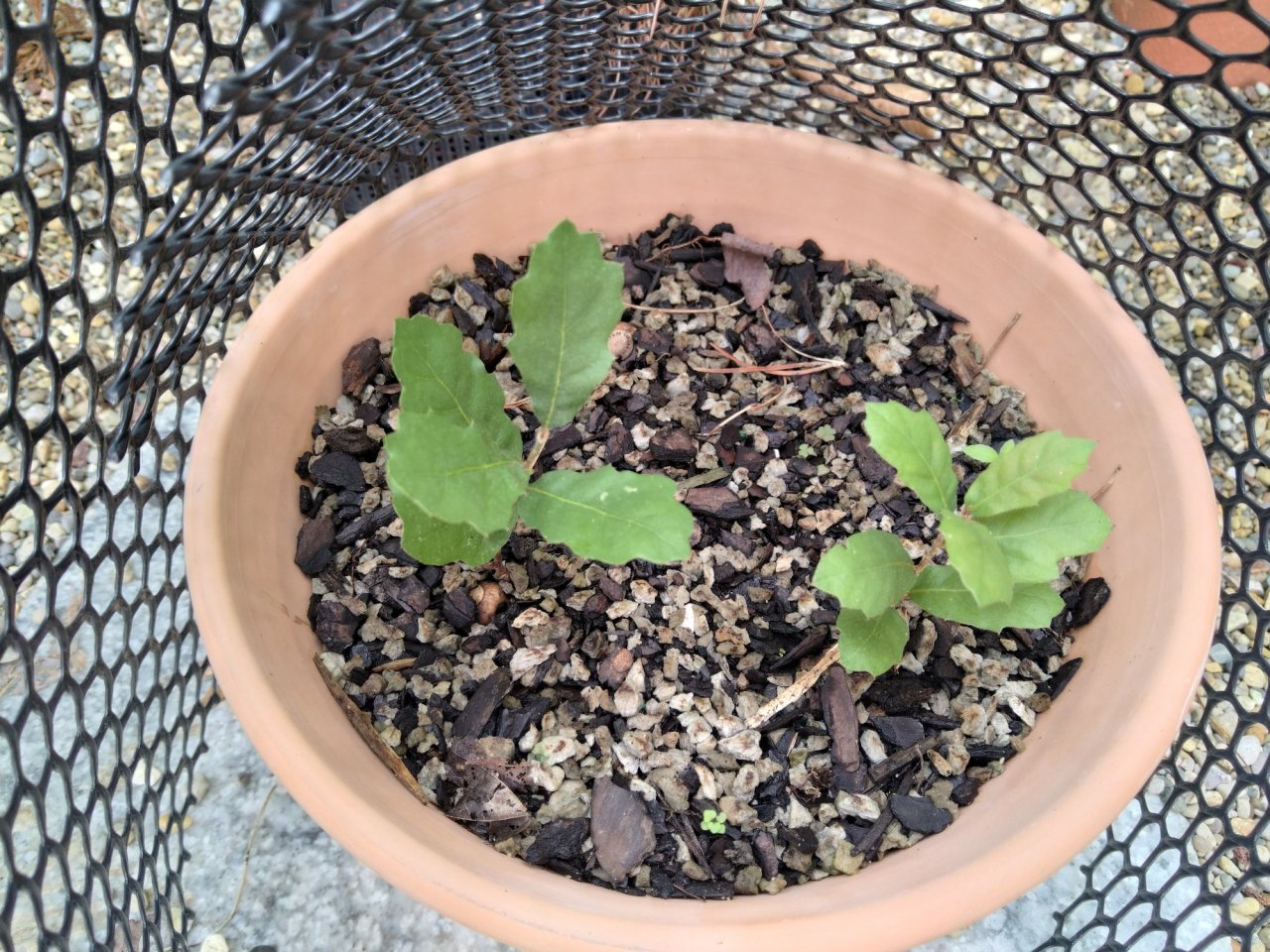
เควอร์คัส เอนเกลมันนี (Quercus engelmannii). อายุ : 2 เดือน. วันที่ได้มา : 16/6/26. วิธีการได้มา : การหว่านเมล็ด
อายุ : 2 เดือน
users403149
สหรัฐอเมริกา
Indiana
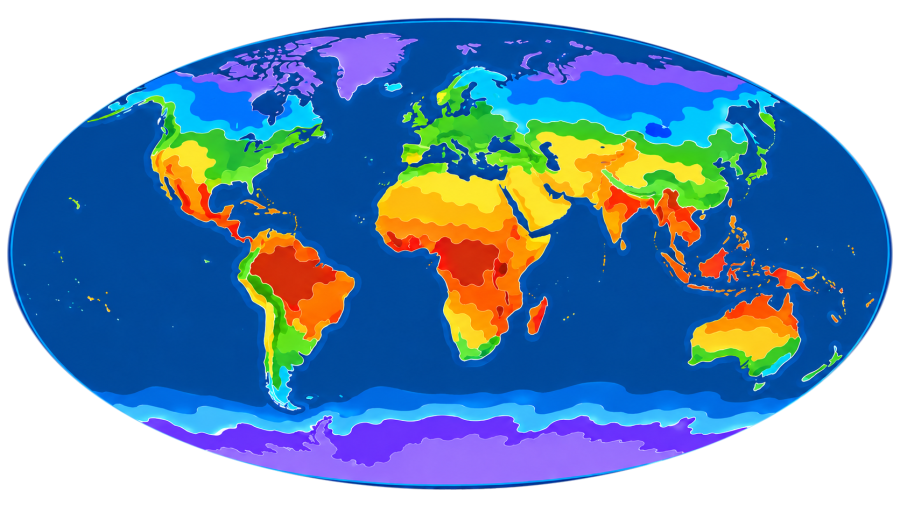
Dfa
สภาพภูมิอากาศที่มีฤดูร้อนที่ร้อนและมักมีความชื้นสูงและฤดูหนาวที่หนาวเย็น โดยมีอุณหภูมิที่แตกต่างกันอย่างมากระหว่างฤดูกาล

สไตล์ที่ไม่ได้กำหนด
สไตล์ที่ไม่ได้กำหนด
สไตล์ที่ไม่ได้กำหนด - ทำไม?
เจ้าของยังไม่ได้กำหนดสไตล์สำหรับบอนไซนี้หรือละเว้นไม่ระบุไว้
บางครั้งการกำหนดสไตล์เฉพาะสำหรับบอนไซอาจเป็นไปไม่ได้เนื่องจากปัจจัยต่างๆ สภาพสุขภาพของต้นไม้ โครงสร้างตามธรรมชาติ และระยะการพัฒนามีบทบาทสำคัญ ตัวอย่างเช่น ต้นไม้ที่อายุน้อยหรือมีข้อบกพร่องเชิงโครงสร้าง เช่น กิ่งก้านที่จัดวางไม่ถูกต้อง อาจยังไม่พร้อมที่จะนำมาใช้ในสไตล์ใดสไตล์หนึ่งโดยไม่กระทบต่อการเติบโตของมัน นอกจากนี้ พันธุ์ไม้บางชนิดมีลักษณะที่ไม่เหมาะกับสไตล์บางประเภท เช่น กิ่งที่แข็งเกินไปสำหรับสไตล์น้ำตก สุดท้าย ศิลปะการปลูกบอนไซก็เป็นรูปแบบหนึ่งของการแสดงออกทางศิลปะเช่นกัน ซึ่งต้นไม้แต่ละต้นมีศักยภาพด้านสุนทรียะที่เป็นเอกลักษณ์ของตนเอง สไตล์ตามทฤษฎีอาจไม่สอดคล้องกับแก่นแท้ของธรรมชาติของต้นไม้ ซึ่งทำให้ยากหรือไม่เหมาะสมที่จะใช้รูปแบบที่เข้มงวด ดังนั้นการกำหนดสไตล์สำหรับบอนไซจะต้องคำนึงถึงความสมดุลระหว่างลักษณะตามธรรมชาติของต้นไม้ สภาพแวดล้อม และวิสัยทัศน์ทางศิลปะของบอนไซด้วย
วันที่ได้มา : 16/6/26 (0 ปี)
แหล่งที่มา : Seed collected from canbera national arboretum
วิธีการได้มา : การหว่านเมล็ด
บันทึกของเจ้าของ :
Quercus engelmannii, or Engelmann oak, is a vulnerable, evergreen oak tree native to a narrow band of Southern California and Baja California foothills, known for its blue-green, rounded leaves and role as a keystone species in its ecosystem. It's often called the mesa oak and is found on mesas and woodlands above the coastal plain, This drought-tolerant tree is slow-growing, can reach 50-60 feet tall, and is considered one of the most imperiled oaks in California due to habitat loss.
Key Characteristics
Appearance: Broad, rounded crown with stout, spreading branches; blue-green, leathery, rounded leaves; thick, gray-brown bark.
Size: Typically 30-60 feet tall and wide, but can get larger.
Foliage: Evergreen or nearly so, with pale green to blue-green leaves.
Flowers: Insignificant, appearing in spring (April-May).
Fruit: Acorns that mature in 6-8 months.
Habitat and Growing Conditions
Native Range: Southern California foothills (Pasadena to Baja California). Endangered
Location: Mesas, savannas, and woodlands, often above the coastal plain and near Coast Live Oaks.
Sun: Full sun to part shade.
Water: Low water needs once established; drought-tolerant.
Soil: Prefers well-drained soils, including clay.
ไม่มีประวัติบันทึกสำหรับบอนไซนี้
บริการเหล่านี้ให้บริการฟรีโดย Appy Bonsai
ติดตั้งแอปพลิเคชันฟรี