ไทย
ไทย
 العربية
 বাংলা
বাংলা Čeština
 Deutsch
 Dansk
Dansk English
 Español
 Français
 Ελληνικά
 עברית
עברית हिन्दी
 Magyar
 Bahasa Indonesia
 Italiano
 日本語
日本語 한국어
한국어 Nederlands
 Bokmål
 Polski
 Português
 Русский
 Svenska
 Slovenský
 தமிழ்
தமிழ் Filipino
 Türkçe
 Українська
 Tiếng Việt
 中文
中文
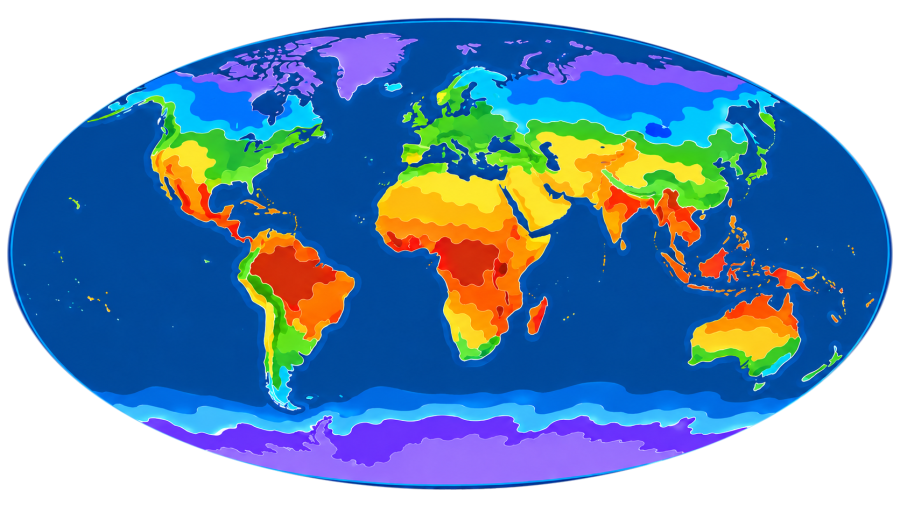
โซน USDA
-29 – -6
°ซ.
-20.2 – 21.2
°ฟ.
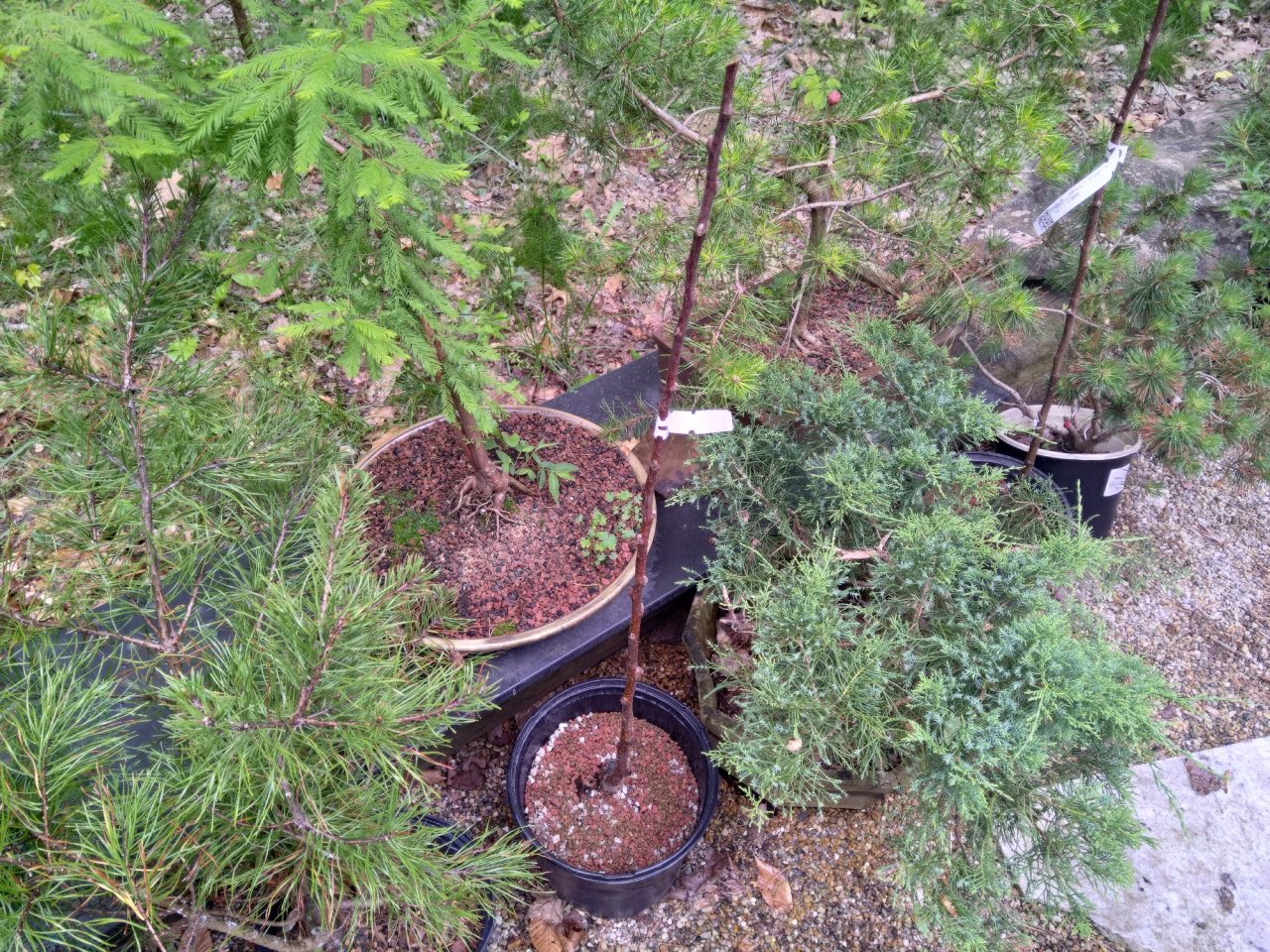
แอปเปิ้ล (Malus domestica). วันที่ได้มา : 20/5/26
users403149
สหรัฐอเมริกา
Indiana
Dfa
สภาพภูมิอากาศที่มีฤดูร้อนที่ร้อนและมักมีความชื้นสูงและฤดูหนาวที่หนาวเย็น โดยมีอุณหภูมิที่แตกต่างกันอย่างมากระหว่างฤดูกาล

สไตล์ที่ไม่ได้กำหนด
สไตล์ที่ไม่ได้กำหนด
สไตล์ที่ไม่ได้กำหนด - ทำไม?
เจ้าของยังไม่ได้กำหนดสไตล์สำหรับบอนไซนี้หรือละเว้นไม่ระบุไว้
บางครั้งการกำหนดสไตล์เฉพาะสำหรับบอนไซอาจเป็นไปไม่ได้เนื่องจากปัจจัยต่างๆ สภาพสุขภาพของต้นไม้ โครงสร้างตามธรรมชาติ และระยะการพัฒนามีบทบาทสำคัญ ตัวอย่างเช่น ต้นไม้ที่อายุน้อยหรือมีข้อบกพร่องเชิงโครงสร้าง เช่น กิ่งก้านที่จัดวางไม่ถูกต้อง อาจยังไม่พร้อมที่จะนำมาใช้ในสไตล์ใดสไตล์หนึ่งโดยไม่กระทบต่อการเติบโตของมัน นอกจากนี้ พันธุ์ไม้บางชนิดมีลักษณะที่ไม่เหมาะกับสไตล์บางประเภท เช่น กิ่งที่แข็งเกินไปสำหรับสไตล์น้ำตก สุดท้าย ศิลปะการปลูกบอนไซก็เป็นรูปแบบหนึ่งของการแสดงออกทางศิลปะเช่นกัน ซึ่งต้นไม้แต่ละต้นมีศักยภาพด้านสุนทรียะที่เป็นเอกลักษณ์ของตนเอง สไตล์ตามทฤษฎีอาจไม่สอดคล้องกับแก่นแท้ของธรรมชาติของต้นไม้ ซึ่งทำให้ยากหรือไม่เหมาะสมที่จะใช้รูปแบบที่เข้มงวด ดังนั้นการกำหนดสไตล์สำหรับบอนไซจะต้องคำนึงถึงความสมดุลระหว่างลักษณะตามธรรมชาติของต้นไม้ สภาพแวดล้อม และวิสัยทัศน์ทางศิลปะของบอนไซด้วย
วันที่ได้มา : 20/5/26 (0 ปี)
แหล่งที่มา : Stark brothers
บันทึกของเจ้าของ :
Malus domestica tree, a member of the rose family, cultivated worldwide from its origins in Central Asia.
Whitney Crabapple produces round to slightly conic fruit that is often larger than a golf ball, with greenish-yellow skin accented by red blush and striping.
The flesh is yellow, juicy, and mildly subacid with a touch of classic crabapple flavor, making Whitney a favorite for home canning, preserving, pickling, spicing, and cider. It’s also enjoyed fresh and holds up well for cooking, earning its reputation as a reliable, all-purpose crabapple. Even on young trees, growers can expect heavy, consistent crops.
In spring, Whitney adds ornamental appeal with abundant pink and white blossoms, while its upright growth habit makes it easy to manage in both orchards and landscapes. Originally discovered in Franklin Grove, Illinois in the mid-1800s, this cold-hardy, heat-tolerant variety has remained popular for more than a century thanks to its productivity and adaptability.
Fruit ripens in late August to early September. Self-pollinating and known for good resistance to apple scab.
ตำแหน่ง : Along retaining wall
ไม่มีประวัติบันทึกสำหรับบอนไซนี้
บริการเหล่านี้ให้บริการฟรีโดย Appy Bonsai
ติดตั้งแอปพลิเคชันฟรี