English
 العربية
 বাংলা
বাংলা Čeština
 Deutsch
 Dansk
Dansk Español
 Français
 Ελληνικά
 עברית
עברית हिन्दी
 Magyar
 Bahasa Indonesia
 Italiano
 日本語
日本語 한국어
한국어 Nederlands
 Bokmål
 Polski
 Português
 Русский
 Svenska
 Slovenský
 தமிழ்
தமிழ் ไทย
ไทย Filipino
 Türkçe
 Українська
 Tiếng Việt
 中文
中文
USDA Zone
-29 – -6
°C
-20.2 – 21.2
°F
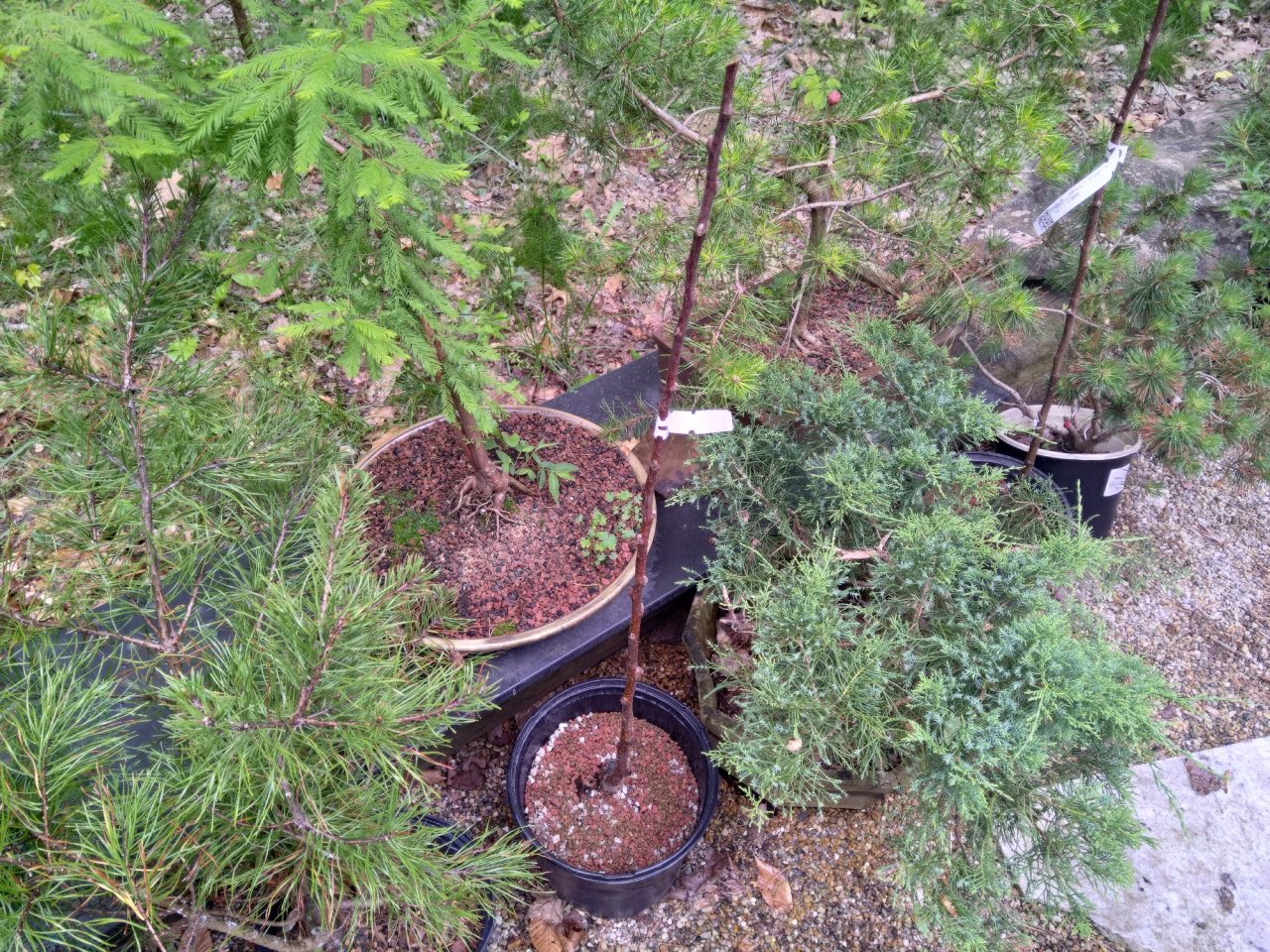
Apple (Malus domestica). Acquisition Date : 5/20/26
users403149
United States
Indiana
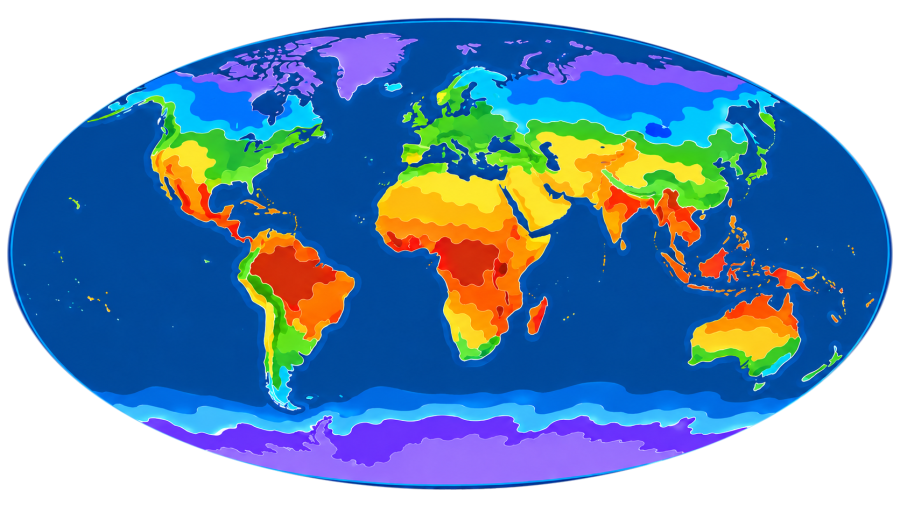
Dfa
Climate with hot and often humid summers, and cold winters. It experiences a strong temperature variation between seasons.

Undefined style
Undefined style
Undefined style - Why?
The owner has not yet defined a style for this bonsai or has not specified it.
Sometimes it is impossible to define a specific style for a bonsai due to various factors. The health of the tree, its natural structure, and its stage of development play a crucial role. For example, a young tree or one with structural defects, such as poorly positioned branches, may not be ready to adopt a particular style without compromising its growth. Furthermore, certain tree species have characteristics that do not lend themselves well to specific styles, such as branches that are too rigid for a cascade style. Finally, the art of bonsai is also a form of artistic expression, where each tree has its own unique aesthetic potential. A theoretical style may not correspond to the tree's natural essence, making it difficult or inappropriate to apply a rigid style. Thus, defining a style for a bonsai must take into account the balance between the tree's natural characteristics, environmental conditions, and the bonsaika's artistic vision.
Acquisition Date : 5/20/26 (0 year)
Source of acquisition : Stark brothers
Owner's note :
Malus domestica tree, a member of the rose family, cultivated worldwide from its origins in Central Asia.
Whitney Crabapple produces round to slightly conic fruit that is often larger than a golf ball, with greenish-yellow skin accented by red blush and striping.
The flesh is yellow, juicy, and mildly subacid with a touch of classic crabapple flavor, making Whitney a favorite for home canning, preserving, pickling, spicing, and cider. It’s also enjoyed fresh and holds up well for cooking, earning its reputation as a reliable, all-purpose crabapple. Even on young trees, growers can expect heavy, consistent crops.
In spring, Whitney adds ornamental appeal with abundant pink and white blossoms, while its upright growth habit makes it easy to manage in both orchards and landscapes. Originally discovered in Franklin Grove, Illinois in the mid-1800s, this cold-hardy, heat-tolerant variety has remained popular for more than a century thanks to its productivity and adaptability.
Fruit ripens in late August to early September. Self-pollinating and known for good resistance to apple scab.
Location : Along retaining wall
No history recorded for this bonsai
These services are offered free of charge by Appy Bonsai
Install the app for free