English
 العربية
 বাংলা
বাংলা Čeština
 Deutsch
 Dansk
Dansk Español
 Français
 Ελληνικά
 עברית
עברית हिन्दी
 Magyar
 Bahasa Indonesia
 Italiano
 日本語
日本語 한국어
한국어 Nederlands
 Bokmål
 Polski
 Português
 Русский
 Svenska
 Slovenský
 தமிழ்
தமிழ் ไทย
ไทย Filipino
 Türkçe
 Українська
 Tiếng Việt
 中文
中文
USDA Zone
-1 – 10
°C
30.2 – 50
°F
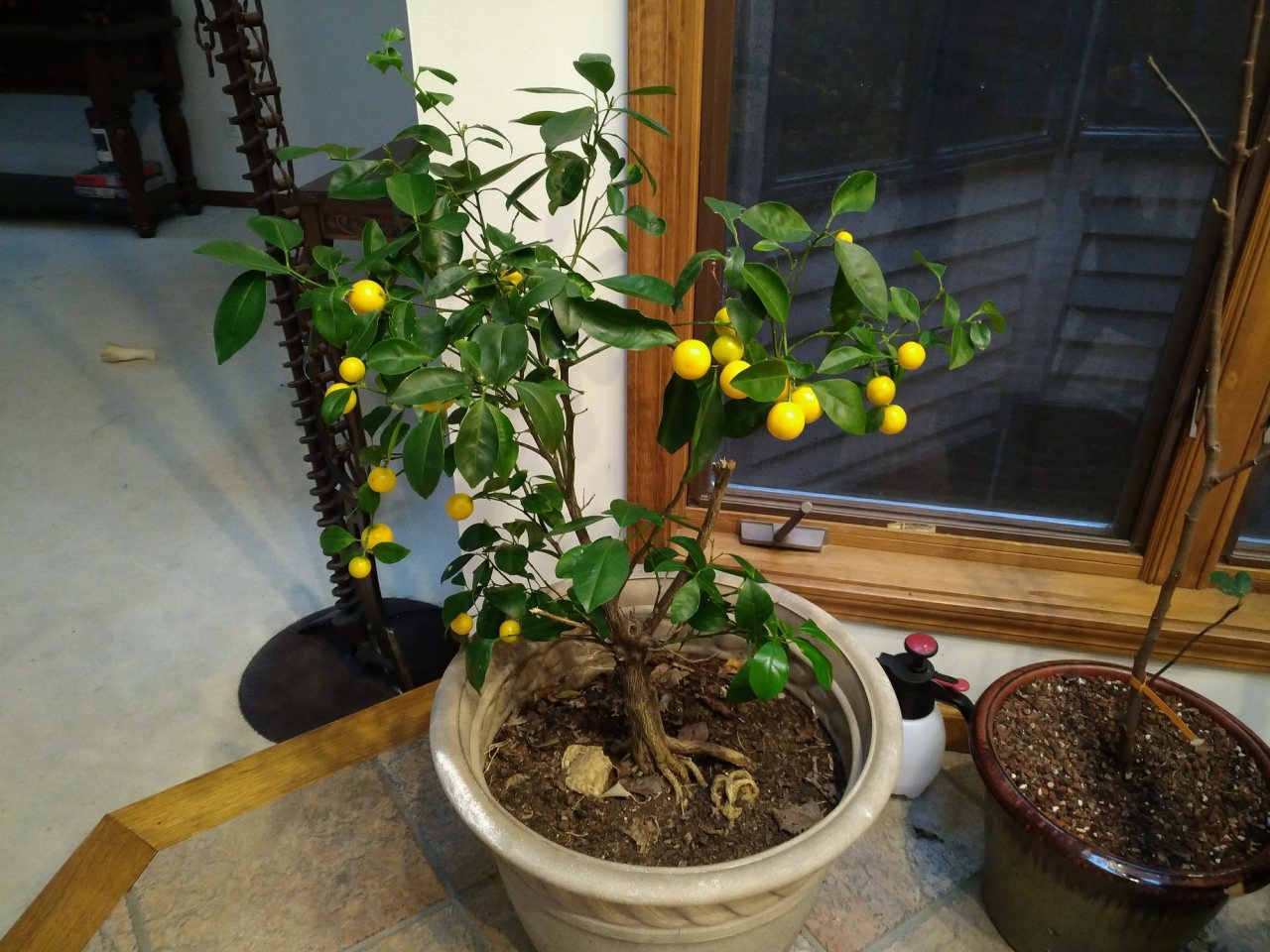
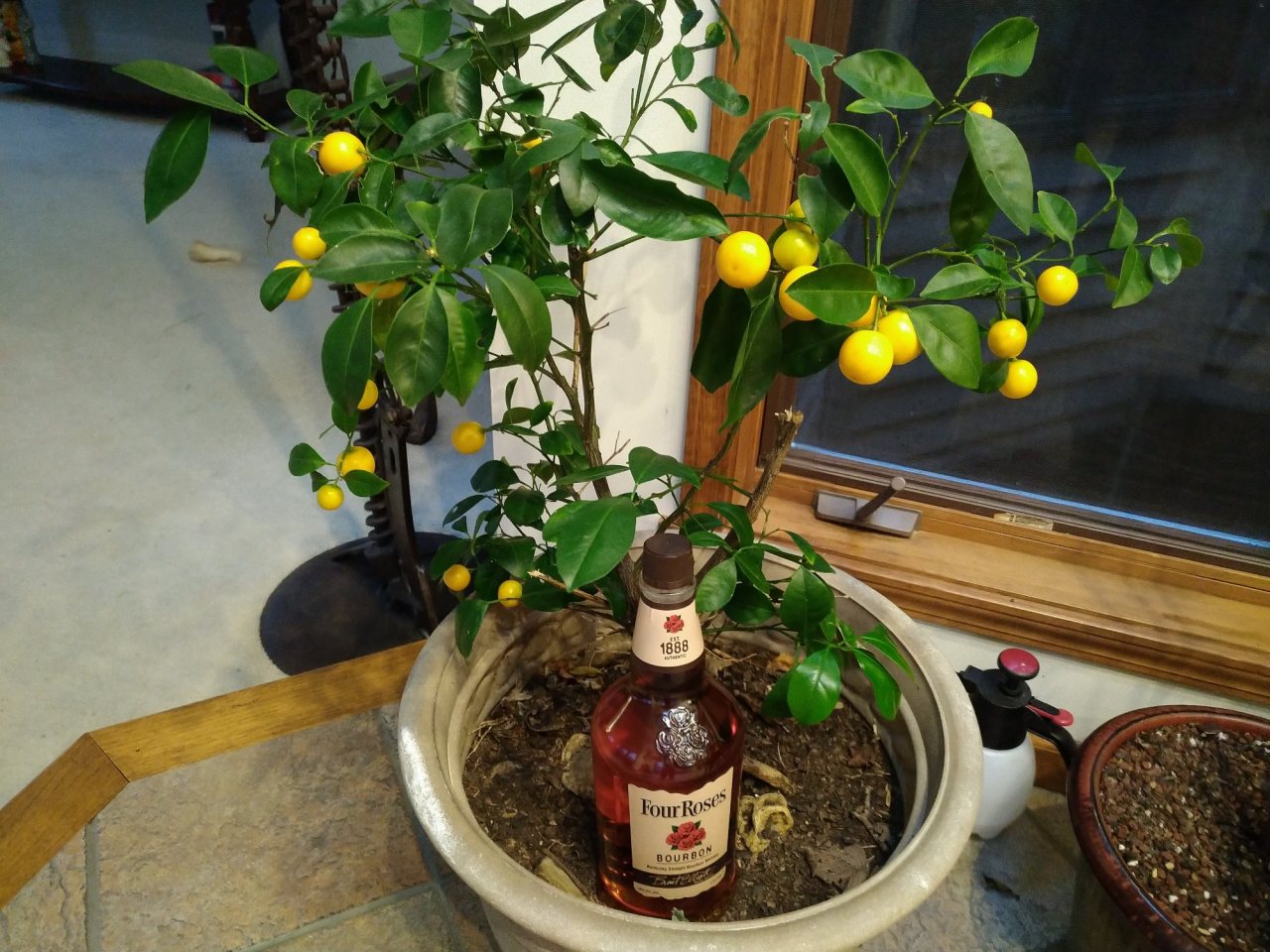
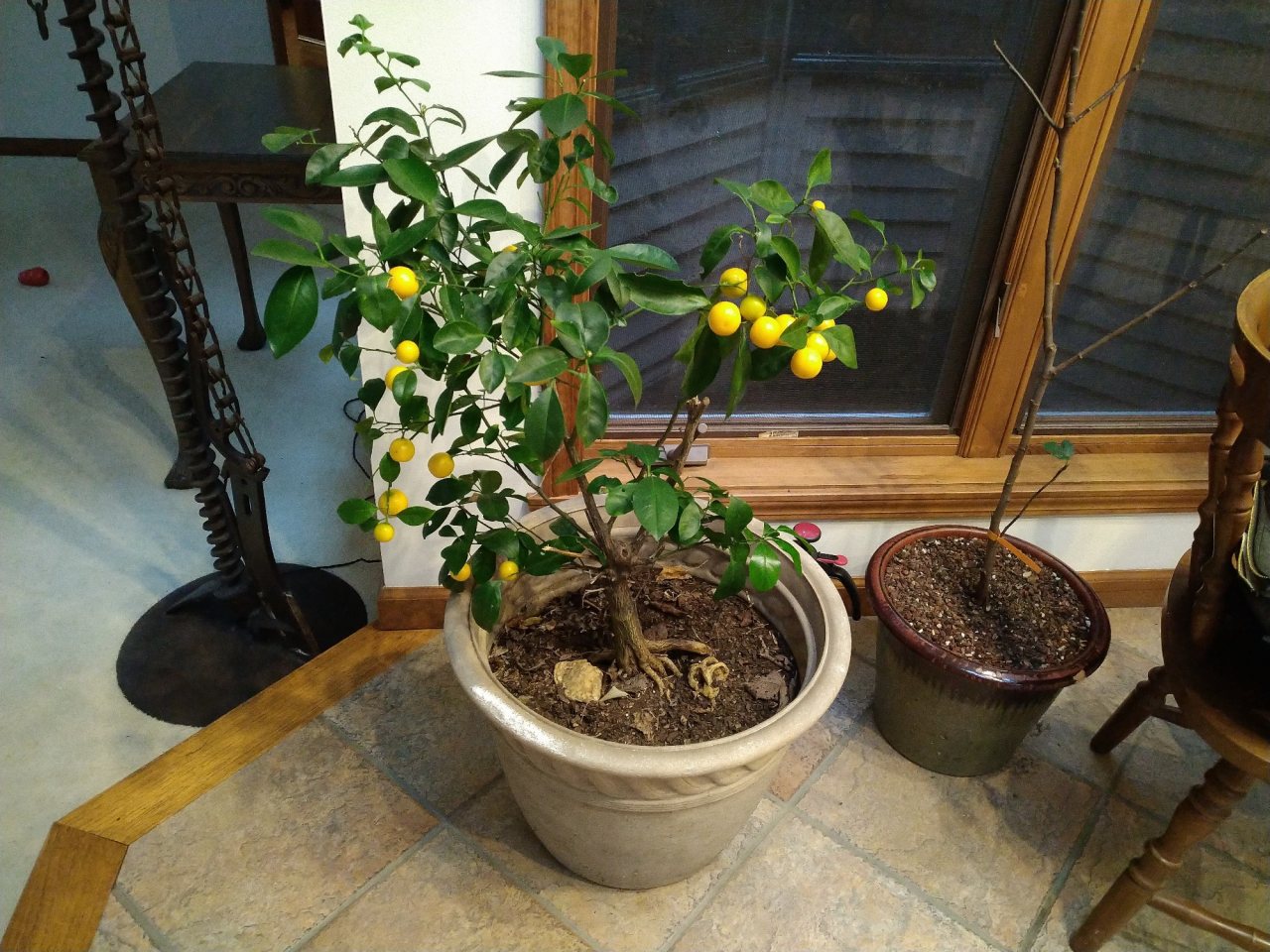
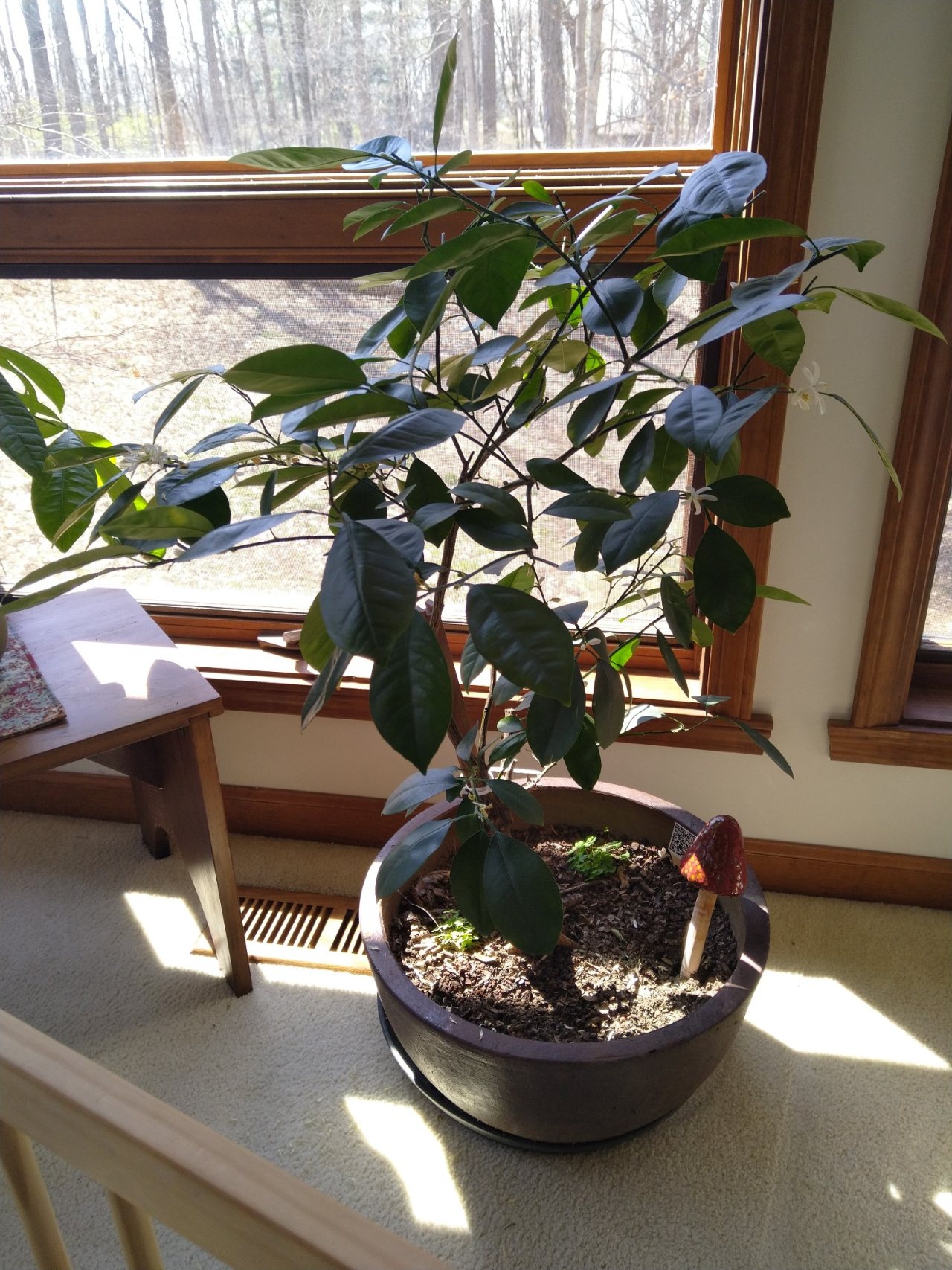
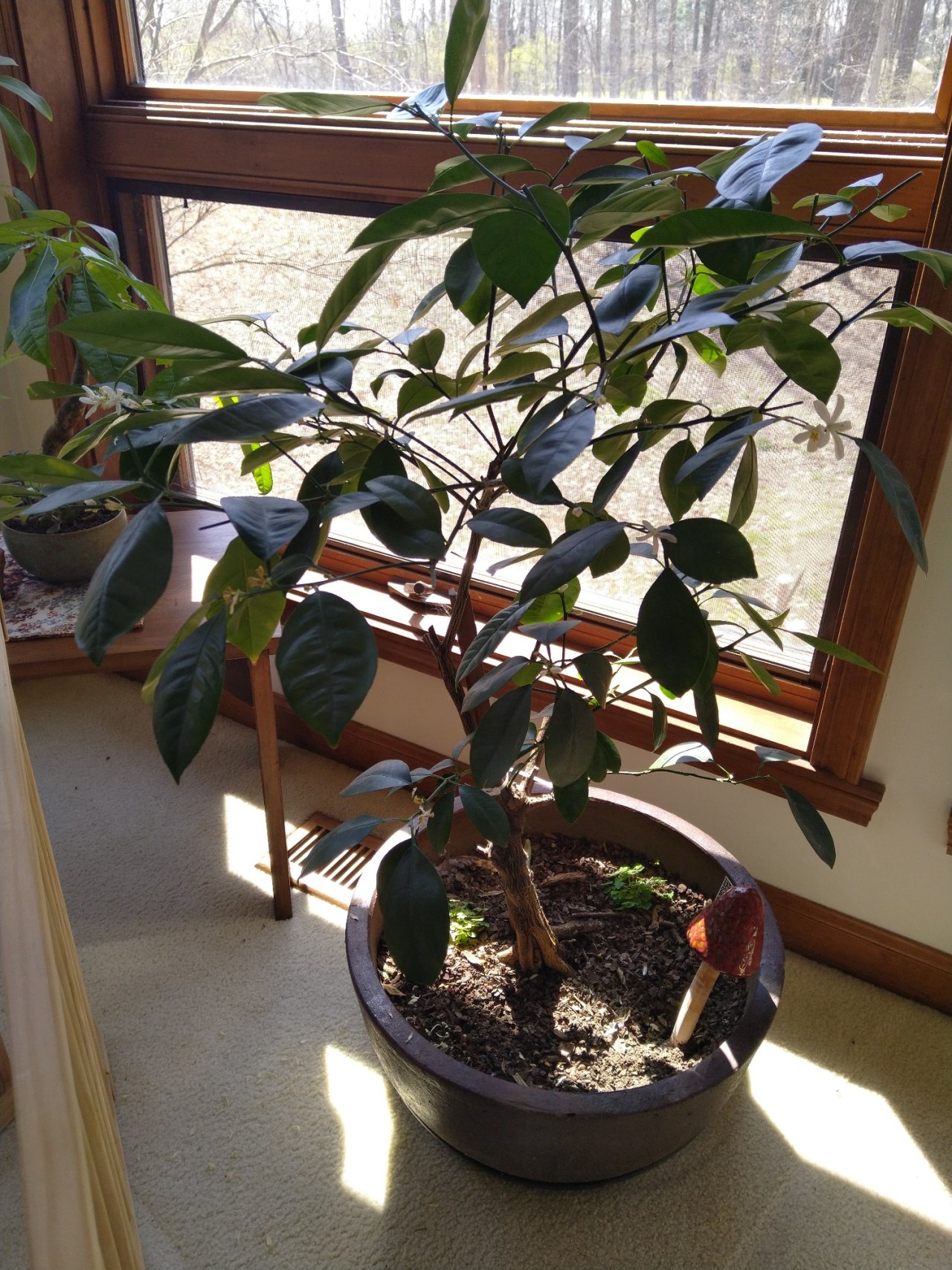
Calamondin (Citrus mitis). Acquisition Date : 5/26/07
users403149
United States
Indiana
Dfa
Climate with hot and often humid summers, and cold winters. It experiences a strong temperature variation between seasons.

Hokidachi
The Hokidachi style
Broom style
The Hokidachi style in bonsai is characterized by a straight and vertical trunk rising from the base of the tree. This trunk is strong and slender. However, what distinguishes the Hokidachi style is the arrangement of the branches. The branches of the Hokidachi are arranged to form horizontal levels or distinct tiers along the trunk. Each level consists of well-spaced branches, creating a balanced and orderly appearance.
The leaves or needles of the Hokidachi bonsai are generally small and fine, and they are distributed along the branches in a symmetrical manner. The roots of the Hokidachi bonsai are also well-developed and symmetrical, thus reinforcing the impression of harmony.
In summary, the Hokidachi style is characterized by a vertical trunk with horizontal branches, symmetry in the arrangement of leaves or needles, and balanced roots. This creates an elegant and balanced aesthetic for the Hokidachi bonsai.
Acquisition Date : 5/26/07 (19 years)
Source of acquisition : Nursery in Vegas
Owner's note :
Calamansi (Citrus × microcarpa), also known as calamondin orange, mini orange, Acid Orange, Philippine lime, or Philippine lemon,
Calamansi is a hybrid between kumquat (formerly considered as belonging to a separate genus Fortunella) and another species of Citrus (in this case probably the mandarin orange).
Despite its sour taste, the calamondin orange is a culinary delight. It's widely used in marmalades, jams, and as a flavor enhancer in beverages and desserts. In Southeast Asian cuisine, it's a common condiment, adding zest to dishes. can be used as a citrus replacement in cocktails.
large trunk with dead wood
can fruit twice a year or skip a year. gets season confusion from keeping in doors in winter.
purchased in 2007
repotted in 2022
Location : Upstairs reading nook
No history recorded for this bonsai
These services are offered free of charge by Appy Bonsai
Install the app for free