English
 العربية
 বাংলা
বাংলা Čeština
 Deutsch
 Dansk
Dansk Español
 Français
 Ελληνικά
 עברית
עברית हिन्दी
 Magyar
 Bahasa Indonesia
 Italiano
 日本語
日本語 한국어
한국어 Nederlands
 Bokmål
 Polski
 Português
 Русский
 Svenska
 Slovenský
 தமிழ்
தமிழ் ไทย
ไทย Filipino
 Türkçe
 Українська
 Tiếng Việt
 中文
中文
USDA Zone
4 – 10
°C
39.2 – 50
°F
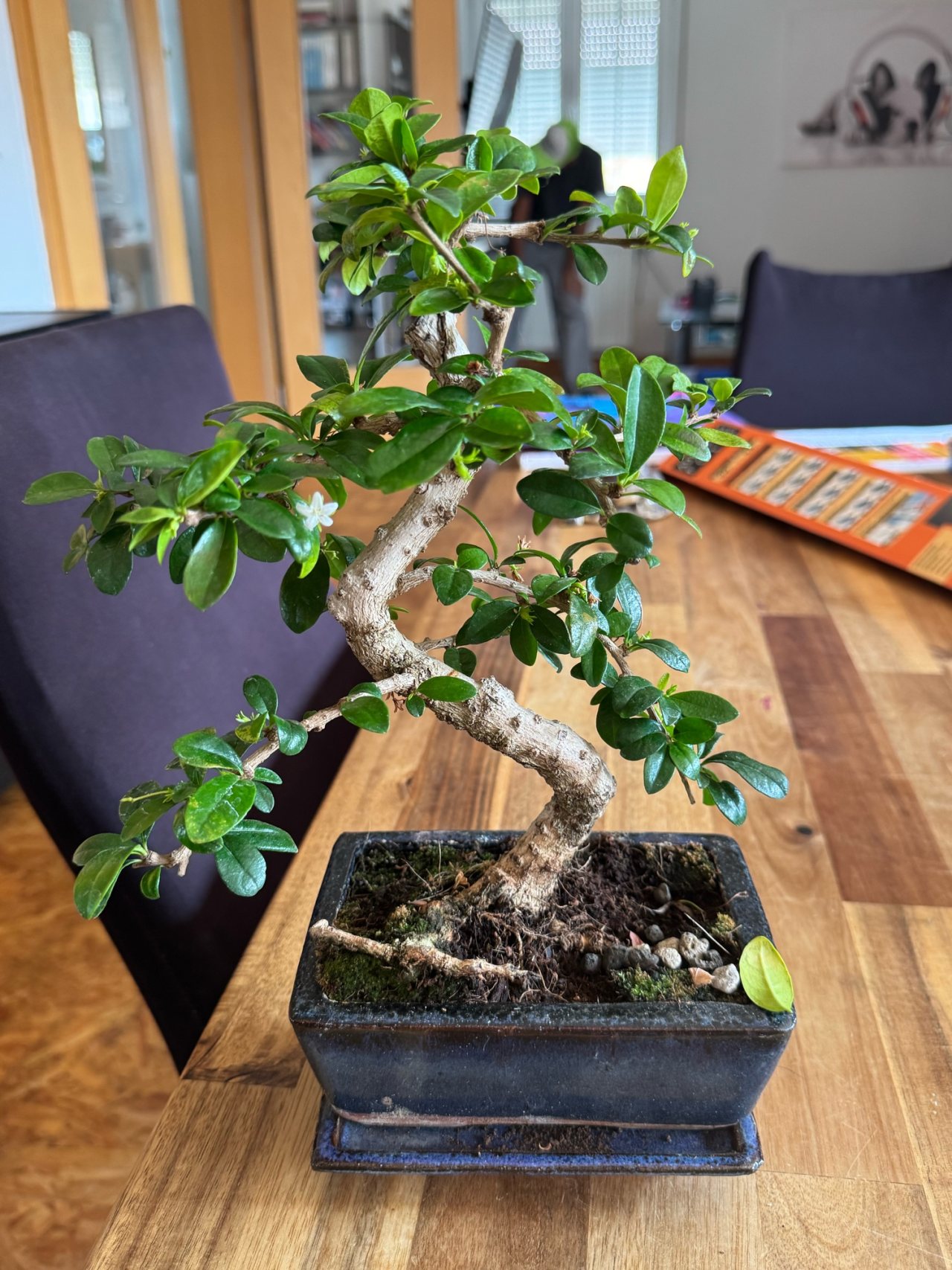
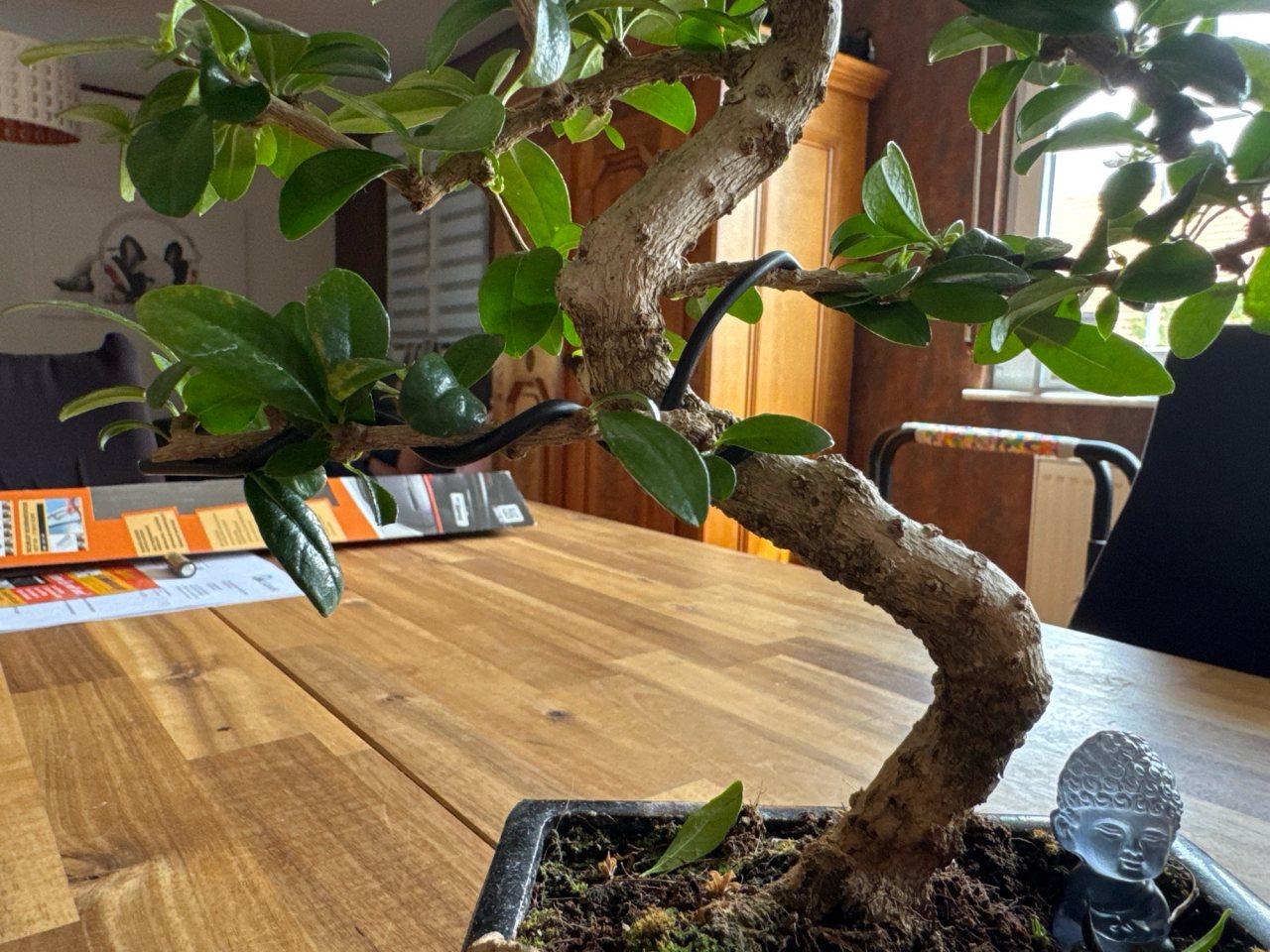
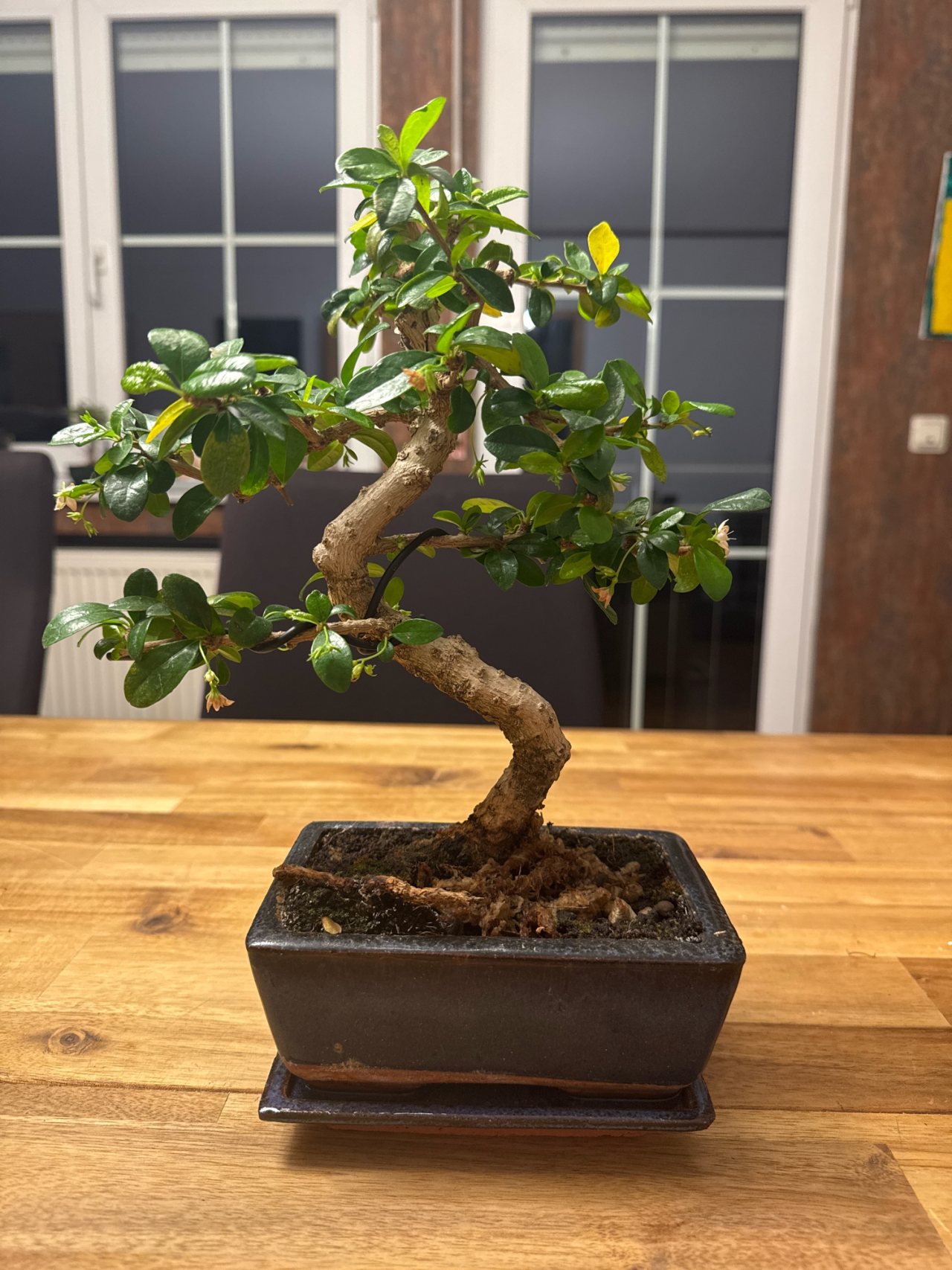
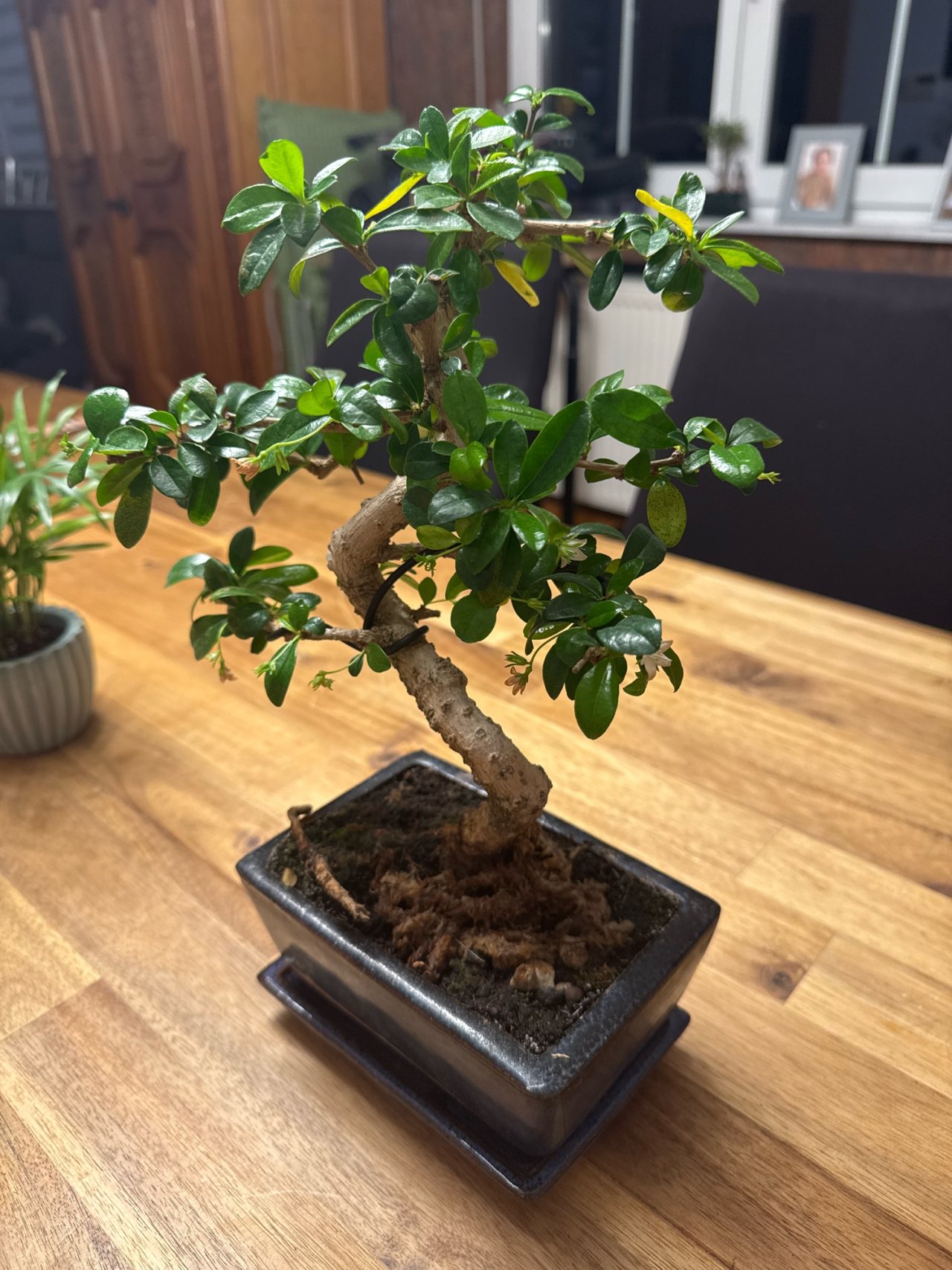
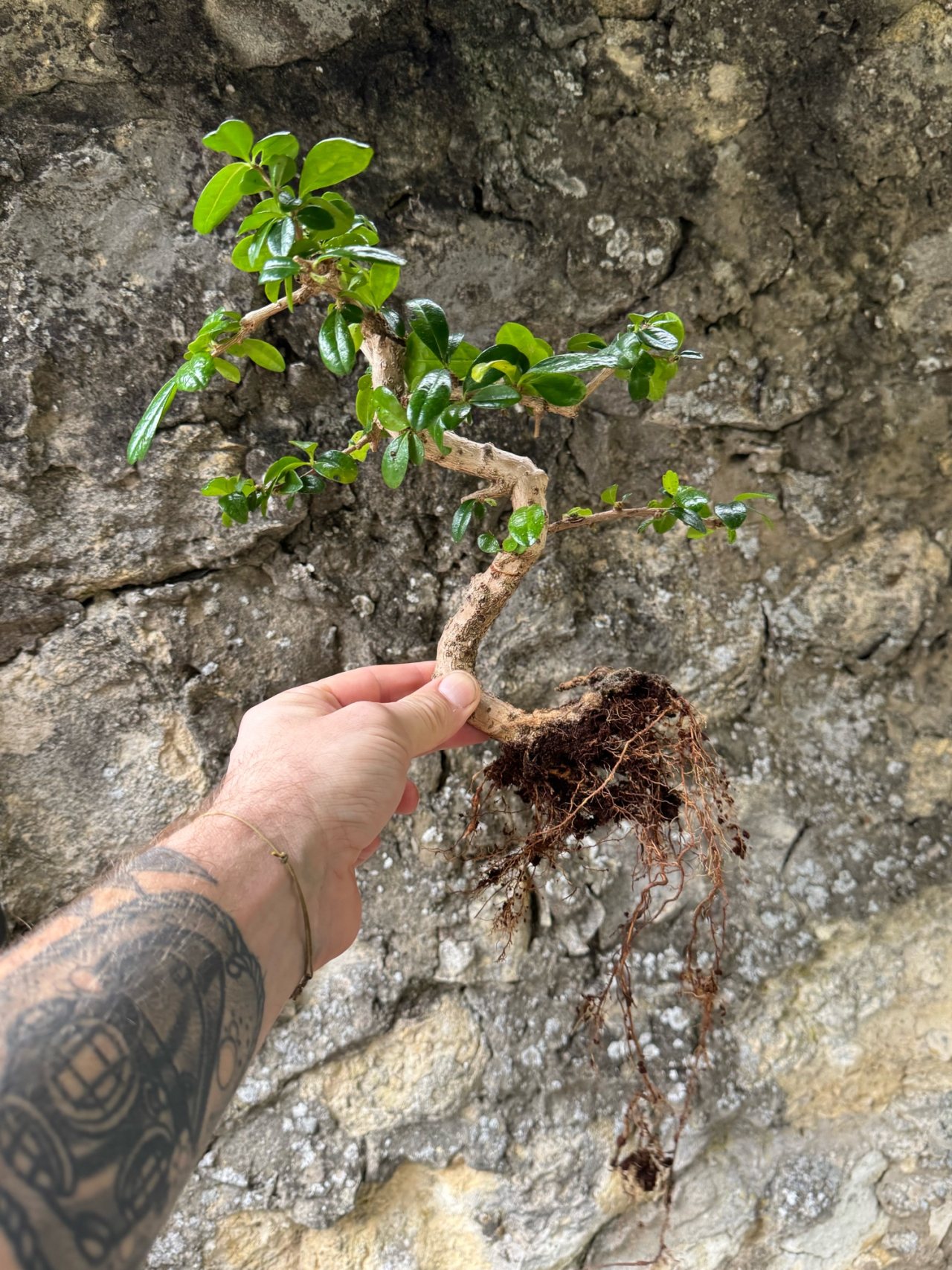
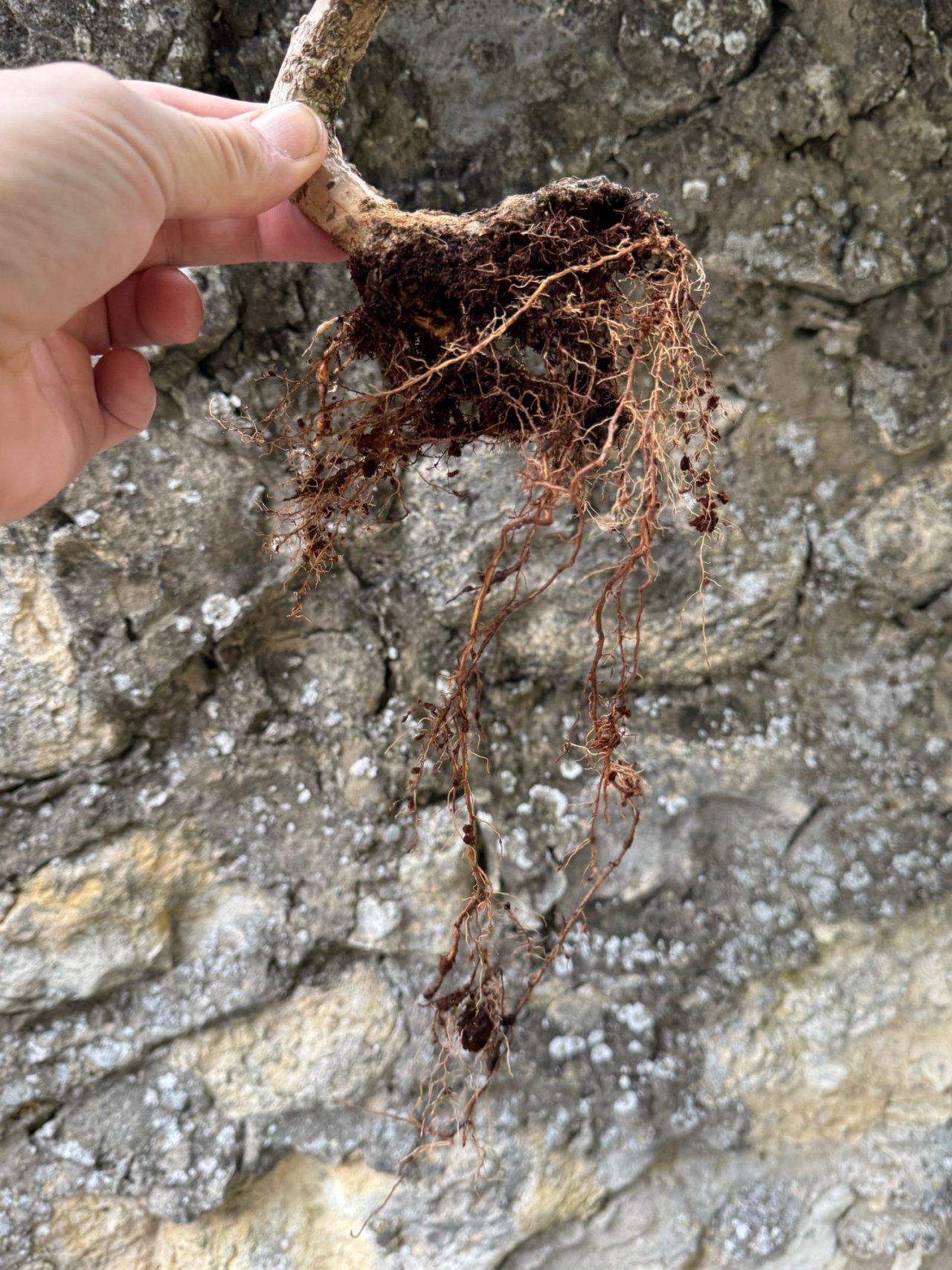
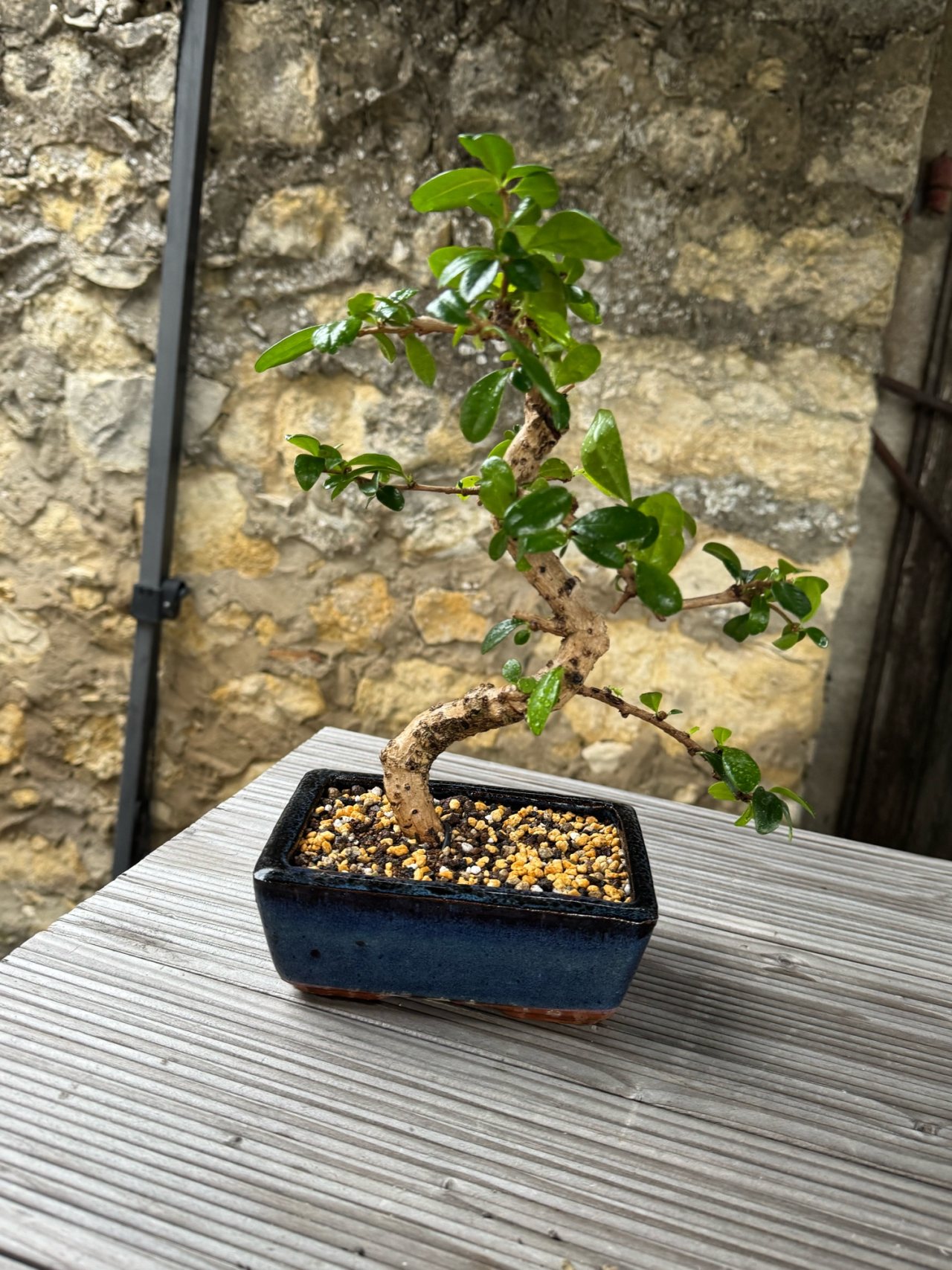
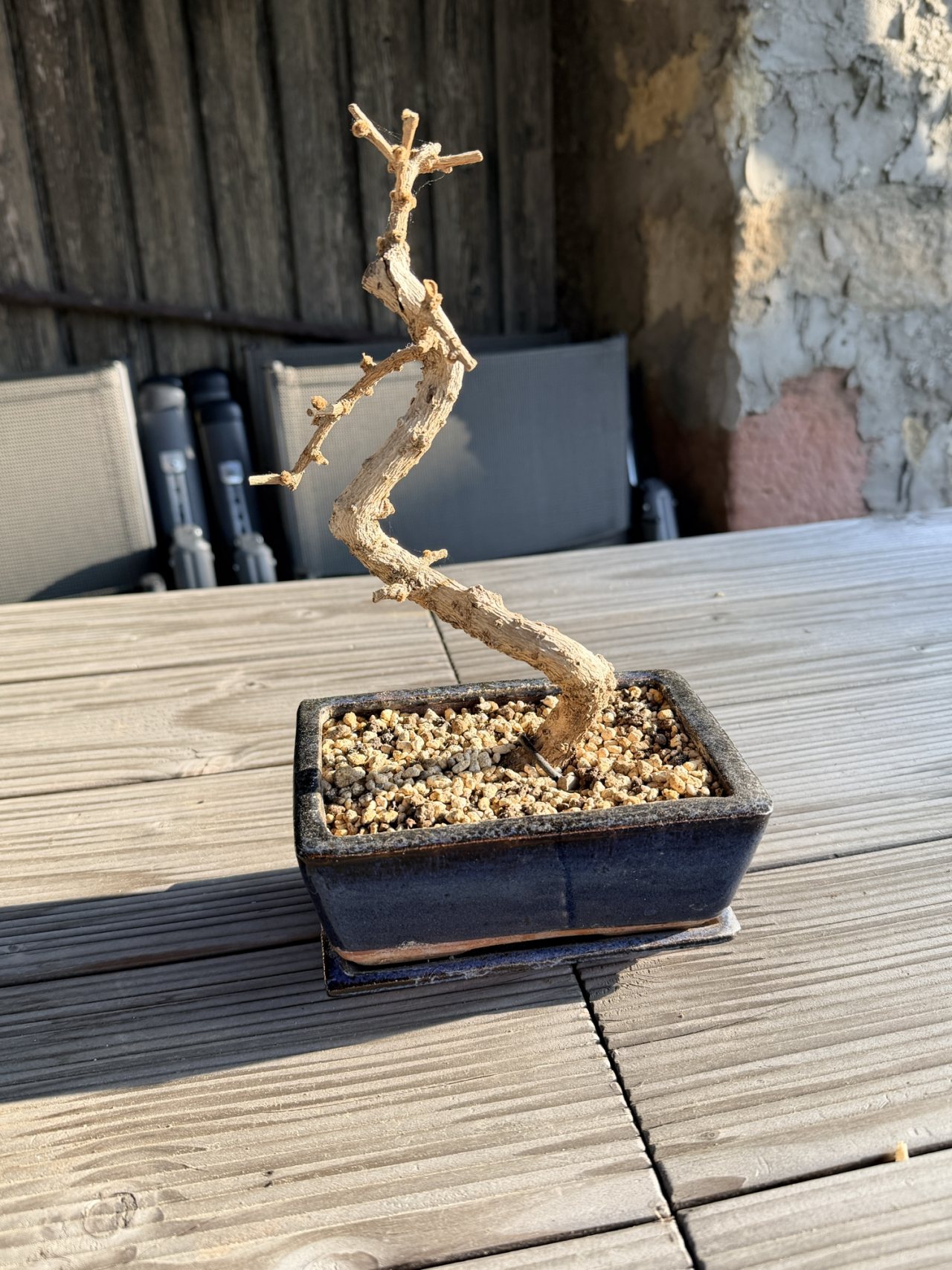
Fukien tea / Philippine tea (Carmona retusa) 'Macrophylla'. Age : 5 years and 1 month. Acquisition Date : 7/28/25. Acquisition method : Yamadori
Age : 5 years and 1 month
users526038
Germany
Rhineland-Palatinate
Cfb
Climate with moderate temperatures throughout the year, cool summers, and well-distributed precipitation. This climate is typical of western coastal regions.

Takozukuri
The Takozukuri style
Octopus Style
The Takozukuri style in bonsai is recognizable by its thick and squat trunk, which evokes the shape of a barrel or cask. This trunk is often twisted and contorted, adding a distinctive character to the tree. The branches of the Takozukuri are short and thick, creating a compact appearance.
The leaves or needles of the Takozukuri bonsai are small, and the entire tree is dense in foliage, creating an impression of a "ball" of greenery. The roots are well developed and spread out in a balanced manner in the pot, ensuring the stability of the tree.
The Takozukuri style is often chosen for its robust silhouette and character-filled appearance. It embodies strength and resilience in the world of bonsais.

Height : 26 cm (10.2")
Width : 23 cm (9.1")
Nebari : 20 cm (7.9")
Weight : 1 kg (2.2 lbs)
Acquisition Date : 7/28/25 (1 year)
Source of acquisition : Gekauft
Acquisition method : Yamadori
Owner's note :
Umtopfen: Im zeitigen Frühjahr etwa alle zwei Jahre. Der Wurzelschnitt sollte sehr vorsichtig durchgeführt werden, da der Fukientee stärkere Eingriffe nicht gut verträgt. Dem durchlässigen, aber genügend Wasser speichernden Substrat kommt eine große Bedeutung zu, da der Bonsai Carmona sowohl empfindlich auf Trockenheit als auch auf zu viel Nässe reagiert. Eine Mischung aus Akadama mit etwas Humus und Bimskies hat sich gut bewährt.
Vermehrung: Aus Samen im Frühjahr oder im Sommer aus Stecklingen.
Schädlinge und Krankheiten: Die Carmona kann bei mangelhaften Wachstumsbedingungen unter Spinnmilben, Schildläusen und Weißer Fliege leiden. Handelsübliche Insektizide in Form von Spray und Stäbchen bringen Abhilfe, jedoch müssen für langfristigen Erfolg auch Helligkeit und Luftfeuchtigkeit verbessert werden. Bei kalkhaltigem Gießwasser können die Blätter Anzeichen einer Chlorose zeigen, die mit einem Eisendünger behandelt werden kann. Seltener können Pilzinfektionen an Schnittstellen auftreten, die zum Absterben von Ästen oder sogar des ganzen Baums führen können und kaum behandelbar sind. Verwenden Sie sauberes Werkzeug und behandeln Sie Schnittstellen mit Wundverschlusspaste.
Location : Innen
ID : 001
The owner has disabled sharing of their history
These services are offered free of charge by Appy Bonsai
Install the app for free